
What is Airbnb Cleaning?

Maintaining a clean and well-prepared Airbnb property is essential for guest satisfaction and high ratings. Airbnb cleaning ensures that every stay is comfortable, safe, and welcoming. Professional attention to detail in cleaning goes beyond standard housekeeping, creating an environment that impresses guests and reduces maintenance concerns. Reliable cleaning practices, including thorough sanitization and careful preparation, help hosts protect their property and maintain consistent standards. By investing in professional Airbnb cleaning, hosts can ensure their vacation rental remains guest-ready at all times, supporting positive reviews, repeat bookings, and a seamless hosting experience. What Airbnb Cleaning Involves: Beyond Standard Housekeeping? Airbnb cleaning extends far beyond routine housekeeping tasks, addressing the unique needs of short-term rental properties. Unlike a regular home cleaning, Airbnb cleaning involves preparing the property for new guests after every stay, ensuring spaces are sanitized, well-stocked, and visually appealing. This level of care helps maintain property value, minimizes guest complaints, and establishes a consistent standard of cleanliness that supports positive reviews. Scope of Airbnb Cleaning Airbnb cleaning covers a combination of standard housekeeping, turnover cleaning, and deep cleaning. Each of these services has a specific focus to guarantee guest-ready spaces: Key Areas of Focus A professional Airbnb cleaning service addresses every room and surface, including: Tasks Included in Airbnb Cleaning A comprehensive cleaning checklist typically includes the following: Specialized Services Airbnb cleaning often incorporates additional services to maintain high standards: Why Professional Airbnb Cleaning Impacts Guest Reviews? Cleanliness is one of the most critical factors influencing guest satisfaction on Airbnb. Guests expect a spotless, sanitized, and well-prepared property from the moment they step inside. A property that meets or exceeds these expectations encourages positive reviews, repeat bookings, and higher occupancy rates. Professional Airbnb cleaning ensures every aspect of a rental is maintained at a high standard, directly affecting guest perception and ratings. How Cleanliness Influences Guest Ratings? Cleanliness is often a deciding factor in online reviews. Guests notice even minor details, such as dust on surfaces, smudged mirrors, or unkempt bedding. Properties that fall short on hygiene or preparation risk receiving lower ratings, which can significantly impact future bookings. Professional cleaning services ensure every corner of the property is thoroughly attended to, creating a guest-ready environment. Benefits of Using Professional Cleaning Services Cleaning’s Direct Impact on Guest Perception Guests equate cleanliness with professionalism. A property that appears neglected or poorly maintained can lower overall satisfaction, even if other amenities are excellent. Conversely, a meticulously cleaned property conveys care, attention, and respect for the guest experience. Clean environments also reduce complaints about odors, stains, or clutter, creating smoother stays and higher review scores. Airbnb Cleaning Standards and Host Expectations Maintaining high cleaning standards is essential for Airbnb hosts aiming to provide exceptional guest experiences. Professional Airbnb cleaning services follow strict protocols that align with guest expectations, hygiene requirements, and property maintenance. Hosts can rely on these standards to ensure every stay meets consistent cleanliness levels, contributing to positive reviews and repeat bookings. Airbnb Cleaning Standards Professional Airbnb cleaning incorporates comprehensive hygiene practices, attention to detail, and systematic approaches tailored to short-term rentals. Key standards include: Host Expectations Hosts typically expect more than basic cleaning when managing Airbnb properties. Professional cleaners are expected to: Airbnb Cleaning Protocols To meet host expectations, professional services follow structured protocols, including: Turnover Cleaning Explained for Short-Term Rentals Turnover cleaning is a core service for Airbnb and short-term rental properties, ensuring a smooth transition between guests. Unlike standard housekeeping, turnover cleaning is designed to reset the property to a guest-ready state after each stay. It emphasizes hygiene, presentation, and replenishment of supplies, allowing hosts to maintain consistent quality and meet guest expectations. What Turnover Cleaning Entails? Turnover cleaning focuses on preparing the property quickly and thoroughly after each guest departs. This service includes: Frequency and Importance Turnover cleaning is conducted after every guest departure, regardless of the length of stay. Its frequency depends on booking schedules and property occupancy. Regular turnover cleaning is essential because: Step-by-Step Turnover Cleaning Tasks Professional turnover cleaning typically follows a systematic process: Detailed Airbnb Cleaning Checklist for Hosts A comprehensive cleaning checklist ensures Airbnb properties remain consistently guest-ready. Professional Airbnb cleaning services use detailed lists to cover every area of a rental, maintaining hygiene, comfort, and presentation. Hosts can rely on these checklists to verify that nothing is overlooked, from high-touch surfaces to linens and amenities. Living Areas and Common Spaces Living areas are the first spaces guests notice, so they require thorough attention: Kitchen Cleaning Checklist The kitchen is a critical area for hygiene and guest comfort. Key tasks include: Bathroom Cleaning Checklist Bathrooms require intensive cleaning and sanitization: Bedroom Cleaning Checklist Bedrooms must provide comfort and a welcoming environment: Entryways and Hallways First impressions start at the entrance: Laundry and Linen Management Laundry and linen care ensure guests have fresh, sanitized items: Deep Cleaning vs. Turnover Cleaning for Airbnb Properties Airbnb properties require both turnover cleaning and periodic deep cleaning to maintain high standards. While these services share some tasks, they serve distinct purposes and address different aspects of property care. Understanding the differences helps hosts schedule the right cleaning at the right time and ensure guests always encounter a clean, well-maintained environment. What Turnover Cleaning Includes? Turnover cleaning is performed between guest stays to prepare the property quickly and efficiently. It focuses on visible surfaces, guest-ready presentation, and essential sanitization. Typical tasks include: Turnover cleaning prioritizes speed and efficiency while maintaining cleanliness standards. It ensures the property is ready for the next guest without delay, particularly for back-to-back bookings. What Deep Cleaning Includes Deep cleaning involves a more intensive, thorough approach that addresses areas not typically covered in turnover cleaning. It is usually scheduled periodically, such as monthly or quarterly, depending on property use. Key tasks include: Deep cleaning ensures the property remains in excellent condition, reducing long-term wear and maintaining hygiene standards beyond what turnover cleaning covers. Differences Between Deep Cleaning and Turnover Cleaning Aspect Turnover Cleaning Deep Cleaning Frequency After each guest Periodically (monthly, quarterly, or as needed)
Chaos to Calm: 5 Post-Construction Cleaning Tips That Truly Work
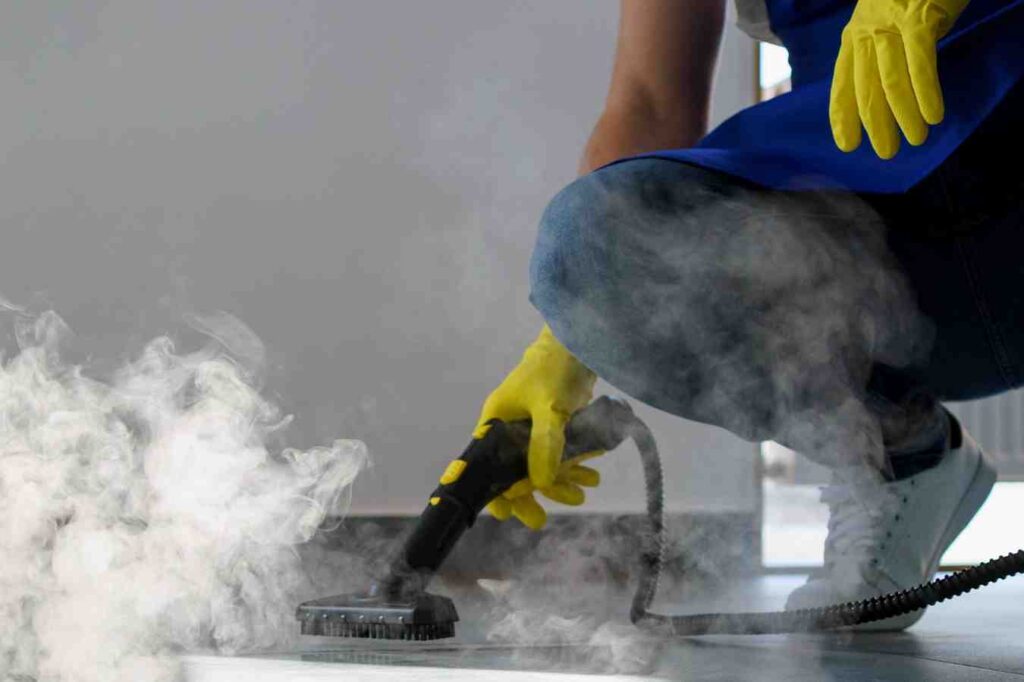
Construction marks progress, improvement, and new beginnings. Yet once the tools are packed away and workers move on, the space often feels far from finished. Fine dust coats surfaces, debris hides in corners, and the air carries a dry heaviness that makes even beautiful upgrades feel incomplete. Post-construction cleaning is the essential transition that turns disruption into comfort. Many property owners reference expectations shaped by a post-construction cleaning service in Texas, where detailed cleanup is often required to meet safety and occupancy standards. Construction dust behaves differently from everyday dirt, spreading through ventilation systems, settling on vertical surfaces, and embedding into materials that appear untouched. Restoring calm requires a deliberate, methodical approach rather than a rushed wiping. Why Post-Construction Cleaning Feels Overwhelming? Construction debris is unpredictable. Dust travels beyond visible zones, clings to textures, and resurfaces days after initial cleaning attempts. Without a clear plan, efforts feel endless. Common frustrations include: A structured approach replaces frustration with control. Tip One: Clear the Physical Chaos Before Cleaning Begins Before focusing on dust, all visible debris must be removed. Construction leftovers continue shedding particles as long as they remain in the space. This step includes: Cleaning around debris wastes time and spreads residue. Why This Step Creates Immediate Relief? Once debris is gone, movement feels easier. Air circulates better, and surfaces become accessible. This first action signals the shift from construction to recovery. Tip Two: Control Dust by Working From High to Low Dust settles downward. Ceilings, vents, lighting fixtures, and upper shelving often hold the heaviest buildup. This phase targets: Cleaning downward prevents recontamination. Air Quality Is Part of Cleanliness Fine construction dust affects breathing and comfort. Removing it from elevated areas improves how the space feels long before floors are addressed. Benefits include: Calm begins in the air. Tip Three: Treat Surfaces for Residue, Not Just Dust Post-construction residue dulls finishes and attracts dirt. Paint mist, grout haze, and adhesive film require specific attention. Surfaces needing residue care include: Gentle but thorough treatment restores clarity. Protecting New Materials Matters New installations are vulnerable. Harsh methods can damage finishes before they are ever enjoyed. Proper care: Clean should never mean compromised. Tip Four: Reset Floors and Edges Completely Floors collect the bulk of construction fallout. Dust settles along baseboards, under fixtures, and into seams. Effective floor restoration involves: Floors anchor the entire space visually. Why Floors Signal Completion? Even spotless walls feel unfinished when floors feel gritty. Clean floors unify the room and highlight every renovation detail. Tip Five: Focus on Final Details That Restore Comfort The last phase transforms the environment from a worksite to a living or working space. Detailed areas include: These touchpoints shape daily experience. The Shift From Chaos to Calm Final detailing changes perception instantly. The space feels settled, intentional, and ready for use. Areas Commonly Overlooked After Construction Addressing these areas completes the process. Residential Spaces: Restoring a Sense of Home Homes carry emotional weight. Construction disrupts routines and comfort. Proper cleanup restores familiarity. Clean homes feel: Completion brings emotional relief. Commercial Spaces: Readiness and Professional Standards Work environments demand immediate readiness. Dust affects equipment, productivity, and perception. Post-construction cleaning supports: Clean spaces function better. Why Rushing Cleanup Causes Setbacks? Skipping steps or altering the sequence leads to: Patience prevents repetition. Health Considerations After Construction Construction dust irritates the airways and skin. Proper cleaning improves indoor conditions. Health-related benefits include: Calm supports well-being. Signs Post-Construction Cleaning Is Incomplete These signs indicate missed steps. Soft Surfaces Need Attention Too Dust settles into fabrics and textures. Key soft surfaces include: Ignoring them allows dust to linger. Windows Reveal the True Finish Windows often collect paint splatter and dust film. Clean glass highlights renovation results and improves light flow. Clear windows: Light brings calm. Tools Matter More Than Effort Proper tools make the process effective. Common needs include: Preparation reduces strain. Sequencing Creates Efficiency Each step supports the next. Changing the order creates setbacks. Correct sequencing: Structure restores order. Maintenance Becomes Easier After Proper Cleaning Once construction residue is removed, regular upkeep feels manageable. Benefits include: Preparation pays forward. Emotional Closure After Construction Cleanup signals the end of disruption. It allows occupants to relax and enjoy improvements. Calm replaces chaos when: Closure matters. When to Begin Post-Construction Cleaning Timing ensures effectiveness. Conclusion Post-construction cleaning is the final act that completes any building or renovation project. By clearing debris, controlling dust, restoring surfaces, resetting floors, and refining details, spaces shift from disorder to balance. These five tips create more than cleanliness. They restore comfort, clarity, and readiness. When handled with intention, post-construction cleaning becomes the moment where effort turns into enjoyment, and chaos finally gives way to calm.
5 Essential Steps That Ensure Successful Post-Renovation Cleaning
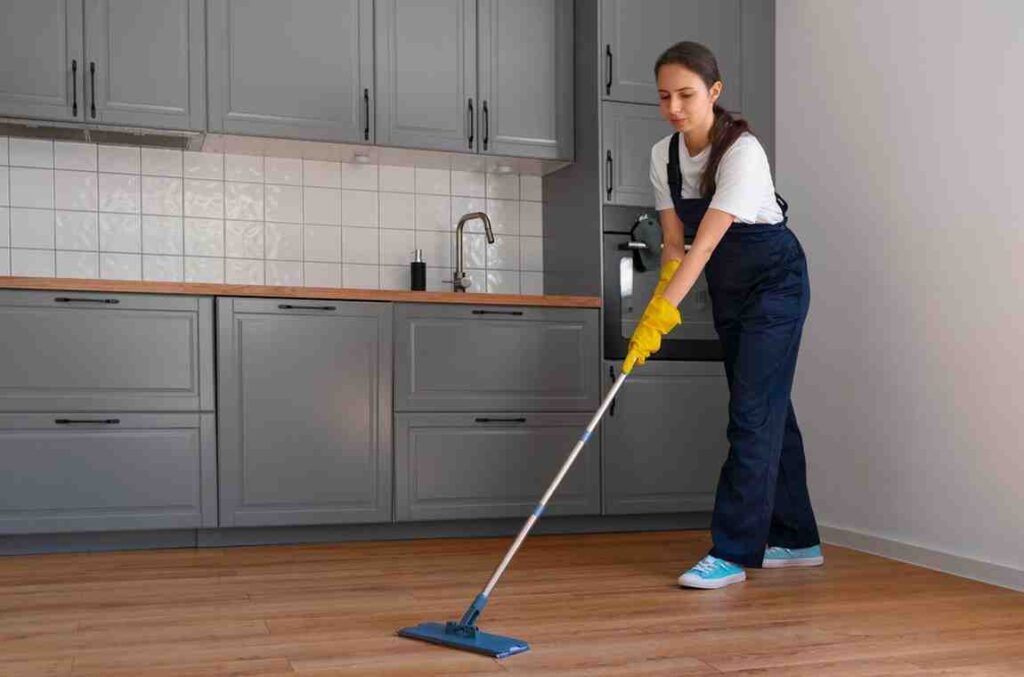
Renovation brings visual upgrades, improved function, and renewed pride in a space. Yet once contractors leave, the excitement often collides with a different reality—layers of dust, scattered debris, and residue clinging to every surface. Fresh paint, new flooring, and upgraded fixtures lose their impact when surrounded by construction remnants. Post-renovation cleaning bridges the gap between completion and comfort. Many property owners look at the standards followed by a cleaning service in Texas when assessing what proper post-renovation cleanup involves. Renovation dust behaves differently from everyday dirt, settling into vents, corners, fabrics, and finishes. Without a structured approach, cleaning becomes repetitive, inefficient, and incomplete. Why Post-Renovation Cleaning Requires a Different Mindset? Construction work produces fine particles that spread far beyond the immediate work zone. Drywall dust, sawdust, grout haze, and adhesive residue embed themselves into surfaces that appear untouched. Key challenges include: Post-renovation cleaning is less about speed and more about control and sequencing. Step One: Remove Debris Before Tackling Dust The first step sets the tone for everything that follows. Large debris and leftover materials must be removed before addressing fine dust. This includes: Attempting to dust or wipe before debris removal spreads particles rather than eliminating them. Why This Step Important? Large debris acts as a constant dust source. Each movement releases particles back into the air, undoing progress. Clearing the space first creates a stable environment for detailed work. Step Two: Address Airborne Dust From the Top Down Renovation dust travels upward and settles slowly. Ceilings, vents, light fixtures, and high shelves often hold the largest concentration. This step focuses on: Working downward prevents dust from resettling on cleaned surfaces. Air Quality Is Part of Cleanliness Fine particles affect comfort long after renovation ends. Addressing elevated surfaces improves air feel and reduces irritation. Benefits include: Airborne control transforms how the space feels, not just how it looks. Step Three: Restore Surfaces With Residue-Specific Care New surfaces often carry invisible residue. Paint mist, grout film, and adhesive traces dull finishes and attract dirt. Surface restoration targets: Each surface requires attention without harsh methods that damage finishes. Matching Technique to Material Different materials respond differently to cleaning. Examples: Thoughtful treatment preserves renovation results. Step Four: Deep Floor and Edge Cleaning Floors collect the majority of renovation fallout. Dust migrates to edges, under fixtures, and into seams. Effective floor care includes: This step grounds the entire space. Floors Reflect Overall Cleanliness Even spotless walls feel unfinished when floors hold dust. Clean floors unify the space and highlight renovation improvements. Step Five: Final Detailing and Comfort Reset The final step focuses on touchpoints and details that define daily use. These include: This phase transforms a construction zone into a livable environment. The Emotional Shift Final detailing changes perception. The space no longer feels “worked on” but ready to occupy. Common Areas Missed After Renovation Addressing these areas completes the process. Post-Renovation Cleaning for Different Spaces Each space presents unique challenges. Tailoring each step ensures consistency. Why Rushing This Process Causes Problems? Skipping steps or changing the sequence leads to: Patience produces lasting results. Health Considerations After Renovation Fine dust particles irritate the airways and skin. Proper post-renovation cleaning supports healthier indoor conditions. Health benefits include: Cleanliness protects more than appearance. Signs Post-Renovation Cleaning Is Incomplete These signs suggest steps were missed. Maintenance Becomes Easier After Proper Cleaning Once the residue is removed, routine upkeep requires less effort. Advantages include: Preparation saves time long-term. New Materials Deserve Proper Care Renovations often introduce unfamiliar surfaces. Improper cleaning damages finishes early. Proper post-renovation cleaning: Care begins immediately after work ends. Commercial Renovation Considerations Workspaces face stricter expectations. Post-renovation cleaning supports: Clean environments influence productivity. Residential Renovation and Peace of Mind Homeowners often underestimate renovation dust spread. Proper cleaning restores comfort and confidence. A clean home: Peace of mind follows preparation. Tools Often Needed for Post-Renovation Cleaning Preparation ensures efficiency. Sequencing Makes the Difference Each step builds on the last. Altering the order creates setbacks. Correct sequencing: Structure supports success. Post-Renovation Cleaning Is a Transition Phase This phase marks the shift from construction to living. Skipping it leaves a project unfinished. A proper transition: Completion is more than construction. Conclusion Post-renovation cleaning is not an optional afterthought. It is the final step that allows renovation efforts to shine. By removing debris, controlling airborne dust, restoring surfaces, deep-cleaning floors, and focusing on final details, spaces move from disrupted to refined. These five essential steps ensure that renovation improvements are seen, felt, and preserved. When done correctly, post-renovation cleaning delivers clarity, comfort, and readiness—turning hard work into lasting satisfaction.
Is a Move-In Cleaning Service Worth It for a Fresh Start?
Moving into a new home often carries a mix of excitement and pressure. Boxes pile up, schedules tighten, and expectations run high. Amid lease paperwork and utility setups, cleanliness is often assumed rather than confirmed. Floors may look tidy, cabinets may appear empty, yet appearances rarely tell the full story. Move-in cleaning addresses what the eye misses and sets the tone for how a space feels from the very first night. People often compare move-in preparation with a move-out cleaning service in Texas, where strict standards and inspections leave little room for oversight. The difference lies in purpose. One prepares a space for departure, the other prepares it for living. That distinction alone raises a practical question: Is a move-in cleaning service worth the investment? What Move-In Cleaning Really Involves? Move-in cleaning focuses on resetting a home to a hygienic baseline before personal belongings enter the space. It targets residue left behind by previous occupants, contractors, or even new construction. Typical areas of focus include: The goal is not surface-level tidiness but readiness for daily living. Why Visual Cleanliness Can Be Misleading? A freshly vacated home can look clean while still harboring buildup. Dust settles into vents, grease lingers on cabinet handles, and bathroom fixtures hold mineral deposits invisible at a glance. Common hidden issues include: Move-in cleaning addresses these unseen concerns before they become personal problems. Health Considerations Before Unpacking Health often becomes the deciding factor for many households. Allergens, bacteria, and lingering odors can affect comfort immediately after move-in. Sensitive groups such as: benefit from a thoroughly cleaned environment before exposure. A clean start reduces irritants and supports better indoor air quality from day one. Psychological Impact of Starting Fresh Cleanliness influences mindset more than many realize. Walking into a home that feels truly clean creates calm and confidence. It becomes easier to organize, decorate, and settle in. A fresh space supports: This mental clarity often justifies the effort on its own. Time Savings During a Busy Transition Moving already demands energy and coordination. Cleaning an empty or semi-empty home adds hours of labor when time feels scarce. Move-in cleaning saves time by: Time saved during a move often translates into smoother routines afterward. Cost Versus Long-Term Value The upfront cost of move-in cleaning may raise hesitation. However, value becomes clearer when considering long-term outcomes. Benefits that offset cost include: A clean baseline makes routine upkeep easier and less frequent. Differences Between Move-In Cleaning and Regular Cleaning Move-in cleaning is more detailed than routine maintenance. It addresses areas typically skipped during regular schedules. Key differences include: Regular cleaning maintains, and move-in cleaning prepares. Who Benefits Most From Move-In Cleaning? While anyone can benefit, certain situations make move-in cleaning especially worthwhile. Ideal scenarios include: Each scenario carries unique cleaning challenges. New Construction Is Not Always Clean New homes often surprise owners with construction dust and debris. Paint splatter, drywall residue, and adhesive marks remain after builders leave. Move-in cleaning removes: This ensures the home feels finished, not just built. Rental Properties and Unknown Habits Rental homes come with unknown histories. Even with standard turnover cleaning, personal habits of former occupants leave traces. Move-in cleaning helps remove: It replaces uncertainty with reassurance. Areas Commonly Missed Without Move-In Cleaning These areas influence hygiene more than expected. Professional Standards Versus DIY Efforts Self-cleaning before move-in can be effective but often incomplete. Time limits and fatigue reduce attention to detail. Professional-level results rely on: The difference often shows within weeks. Impact on Furniture and Personal Items Placing furniture into a pre-cleaned space protects belongings. Dust and residue transfer easily onto fabrics and surfaces. A clean environment: This extends the life of personal items. Move-In Cleaning and Lease Confidence Renters benefit from move-in cleaning by documenting the condition of the unit. Starting with a clean slate clarifies responsibility during move-out. Advantages include: Clean beginnings support clean endings. How Cleanliness Shapes Daily Habits? People naturally maintain what feels fresh. A deeply cleaned home encourages better daily habits. Positive effects include: Behavior follows environment. Signs Move-In Cleaning Is Worth Considering These signs suggest deeper attention is needed. Emotional Relief During Major Life Changes Moves often coincide with life shifts such as new jobs, family changes, or relocations. Clean surroundings offer stability during uncertainty. A fresh environment: Small comforts matter during transitions. Sustainability and Long-Term Maintenance Move-in cleaning supports sustainable living by reducing the need for harsh chemicals later. Proper initial cleaning allows gentler maintenance methods. Benefits include: Preparation supports sustainability. When Move-In Cleaning May Not Be Necessary There are exceptions. Newly cleaned homes with verified standards may require minimal attention. Situations where it may be optional: Even then, spot cleaning often helps. Customization Based on Space Type Apartments, condos, and houses each present different needs. Examples: Tailoring ensures effectiveness. The Role of First Impressions for Homeowners For homeowners, the first days in a new home shape long-term attachment. Cleanliness strengthens that bond. A clean start: First impressions last. Move-In Cleaning as Preventive Care Preventive cleaning avoids buildup before it starts. Addressing issues early prevents stubborn stains and odors. Preventive benefits include: Proactivity saves effort later. Questions to Ask Before Deciding Clear answers simplify the decision. Financial Perspective for Property Managers For property professionals, move-in cleaning supports tenant satisfaction and property value. Clean units reduce complaints and turnover issues. Advantages include: Clean properties perform better. Conclusion A move-in cleaning service offers more than surface shine. It delivers confidence, comfort, and clarity during one of life’s busiest moments. By addressing hidden buildup, supporting health, and saving time, it creates a strong foundation for daily living. While not every move requires the same level of preparation, many benefit from starting fresh without lingering traces of the past. For those seeking peace of mind and a truly welcoming space, move-in cleaning often proves worth far more than its cost.
5 Essential Strategies for a Truly Transformative Apartment Deep Clean
Apartment living brings convenience, efficiency, and a sense of simplicity, yet it also presents unique cleaning challenges. Limited space means every surface works harder, and clutter or buildup becomes noticeable far faster than in larger homes. A transformative apartment deep cleaning service is not about speed or surface shine. It is about restoring balance, function, and comfort within compact living environments. Many cleaning standards are shaped by expectations seen in a deep cleaning service in Texas, where apartments often require detailed attention to ventilation, flooring, and high-touch surfaces due to climate and density. The same level of care can be achieved anywhere when the right strategies are applied with precision rather than shortcuts. Strategy One: Start With Space Control, Not Supplies Before cleaning begins, space must be managed. Apartments often lack storage flexibility, which means items migrate to visible areas and interfere with effective cleaning. This strategy focuses on regaining control of space before any scrubbing starts. Key actions include: By clearing visual and physical barriers, every surface becomes accessible. This step prevents dust transfer and allows deeper reach into corners and edges. Why Space Control Changes Outcomes? Cleaning around objects leaves residue behind. Space control ensures surfaces receive full attention rather than partial treatment. Benefits include: A clear apartment sets the stage for visible and lasting change. Strategy Two: Work Vertically to Control Dust and Airflow Apartments trap airborne particles more easily due to limited ventilation. Dust and allergens circulate quickly and settle on surfaces repeatedly. Vertical cleaning controls this cycle. This approach begins at: Then moves downward toward walls, furniture, and floors. How Vertical Cleaning Improves Indoor Comfort? Dust naturally falls. Cleaning from top to bottom prevents particles from settling on already cleaned surfaces. Results include: Vertical sequencing transforms both cleanliness and comfort. Strategy Three: Focus on High-Impact Zones Instead of Entire Rooms Apartment deep cleaning succeeds when attention is concentrated where it matters most. High-impact zones affect daily comfort, hygiene, and visual clarity. These zones include: Rather than spreading effort evenly, this strategy prioritizes areas with the highest buildup and usage. Kitchen Focus: Compact Space, Heavy Use Apartment kitchens endure constant activity in tight quarters. Deep kitchen attention involves: A refreshed kitchen improves both function and confidence. Bathroom Focus: Moisture and Buildup Control Bathrooms combine moisture, heat, and frequent contact. Deep bathroom care targets: Restored bathrooms feel lighter, fresher, and easier to maintain. Entryway Focus: First Impression and Dirt Control Entryways collect debris from outdoors and distribute it inward. Deep cleaning includes: This step reduces dirt migration throughout the apartment. Strategy Four: Treat Floors as Structural Surfaces, Not Finishes Apartment floors support every movement. Dirt, oils, and debris accumulate along edges and under furniture where routine cleaning rarely reaches. Deep floor strategy involves: This restores both appearance and hygiene. Floor Care by Material Type Different materials require different attention. Examples include: Floor restoration anchors the entire transformation. Strategy Five: Restore Soft Surfaces and Sensory Balance Apartments rely heavily on soft furnishings for comfort. These surfaces trap dust, odors, and allergens that affect how a space feels. This strategy addresses: Cleaning soft surfaces restores comfort beyond what hard surfaces can achieve. The Sensory Impact of Soft Surface Care Clean fabrics change how an apartment feels to occupy. Benefits include: This step often delivers the most noticeable emotional impact. Common Apartment Areas Often Overlooked Deep cleaning brings these hidden zones back into balance. The Role of Sequencing in Apartment Deep Cleaning Order determines effectiveness. Poor sequencing causes recontamination and wasted effort. Effective sequencing: Structure supports consistency and results. Adapting These Strategies to Apartment Size Not all apartments are the same. Adaptation examples: Flexibility ensures thoroughness without overwhelm. Deep Cleaning and Mental Clarity in Small Spaces Clutter and buildup feel heavier in apartments. Deep cleaning removes visual noise and restores calm. Common outcomes include: A clean apartment supports emotional balance. Timing Matters More in Apartments Apartments show wear faster than larger homes. Ideal moments for deep cleaning include: Strategic timing extends results. Maintenance Habits That Protect Deep Cleaning Results Transformation lasts longer when supported by small habits. Helpful practices include: Consistency preserves effort. Simple Apartment Habits That Extend Cleanliness Small actions protect big improvements. Deep Cleaning as Apartment Care, Not Chore Deep cleaning should not feel punitive. It is an act of care for the space that supports daily life. Benefits extend beyond appearance: Care creates sustainability. The Difference Between Clean and Transformed A clean apartment looks neat. A transformed apartment feels renewed. Transformation includes: These qualities linger. When Another Deep Cleaning Is Needed No apartment remains pristine indefinitely. Signs include: Recognizing these signs prevents decline. Conclusion A transformative apartment deep cleaning service depends on strategy, not speed. Space control, vertical sequencing, high-impact focus, floor restoration, and soft surface care work together to restore balance in compact living spaces. These five essential strategies create more than cleanliness. They create comfort, clarity, and ease within walls that are lived in daily. When handled with intention, apartment deep cleaning becomes a reset that supports both the space and the people who call it home.
Transformative Deep House Cleaning in 9 Practical Steps
A truly clean home feels different the moment you walk inside. The air feels lighter, surfaces respond to touch, and rooms seem calmer and more balanced. Deep house cleaning goes far beyond routine upkeep. It addresses the quiet accumulation of dust, residue, and overlooked details that slowly change how a home looks and feels over time. Many homeowners shape their expectations around standards seen in a deep cleaning service in Texas, where detailed processes focus on restoration rather than surface appearance. That same approach can be applied anywhere when deep cleaning is handled methodically instead of rushed or improvised. Step 1: Reset the Space Before Cleaning Begins Deep cleaning starts before a single product is used. Clearing surfaces allows proper access and prevents the spreading of dust or debris. This step involves: A reset space allows cleaning to be thorough rather than obstructed. Step 2: Address Air and Dust at the Highest Points Dust travels downward. Starting at the top prevents recontamination of cleaned areas. Focus on: Removing dust from elevated areas improves air quality and prepares the space for deeper work below. Step 3: Walls, Trim, and Forgotten Surfaces Walls and trim collect residue from hands, pets, and daily movement. These surfaces quietly dull the appearance of a home. Key areas include: Gentle but consistent attention restores brightness without damaging finishes. Step 4: Windows, Frames, and Natural Light Paths Windows shape how a home feels. Dirt and streaks reduce light and make rooms appear tired. Deep window care involves: Clear windows amplify the impact of every other cleaning step. Step 5: Kitchen Deep Reset The kitchen works harder than any other room. Grease, crumbs, and spills build layers that routine cleaning misses. Deep kitchen cleaning includes: This step restores both hygiene and ease of use. Step 6: Bathroom Restoration Bathrooms combine moisture, heat, and constant use. Deep cleaning targets buildup that compromises comfort and cleanliness. Attention should be given to: A restored bathroom feels fresh rather than merely presentable. Step 7: Floor Care Beyond the Surface Floors hold the most evidence of daily living. Deep cleaning varies by material but always goes further than sweeping or mopping. This step may include: Proper floor care anchors the transformation of the entire home. Step 8: Furniture, Fabric, and Soft Surfaces Soft furnishings trap dust, allergens, and odors. These elements affect comfort more than many realize. Deep attention includes: Freshened fabrics change how a room feels to sit, rest, or relax in. Step 9: Final Detailing and Sensory Balance The last step focuses on refinement rather than labor. It ties the entire process together. Final details include: This step ensures the home feels cohesive and complete. Common Areas Often Missed Without a Deep Process Deep cleaning brings these zones back into balance. Why Sequence Matters in Deep Cleaning? Order affects outcome. Skipping steps or changing the sequence causes rework and uneven results. A structured flow: Transformation depends on discipline more than speed. The Difference Between Clean and Restored Regular cleaning maintains. Deep cleaning restores. Restoration removes evidence of time, not just mess. Signs of restoration include: These results linger longer than surface-level care. How Deep Cleaning Supports Health? Deep cleaning addresses hidden contributors to discomfort. Health benefits include: These changes support physical comfort and peace of mind. Timing Deep Cleaning for Maximum Impact Deep cleaning fits naturally into certain life moments. Ideal times include: Timing amplifies results and extends their lifespan. Mental Clarity Through Physical Order Deep cleaning often triggers emotional relief. A clean environment reduces mental clutter. People often report: Physical order supports mental balance. Maintenance After Deep Cleaning Transformation lasts longer with simple habits. Helpful practices include: Maintenance protects the investment of effort. Simple Habits That Extend Deep Cleaning Results Small actions preserve big results. Deep Cleaning and Property Care Homes benefit structurally from deep cleaning. Long-term advantages include: Care protects both comfort and investment. Adapting the Steps to Different Homes Every home differs. The steps remain consistent, but emphasis shifts. Examples: Flexibility ensures effectiveness. Why Deep Cleaning Feels Like a Reset? Deep cleaning removes evidence of neglect and restores intention to a space. It signals: That psychological shift often matters as much as physical results. When Deep Cleaning Becomes Necessary Again No home stays perfect indefinitely. Indicators include: These signs suggest it’s time to repeat the process. Conclusion Transformative deep house cleaning is not about perfection. It is about restoration, balance, and intention. When handled step by step, it reshapes how a home feels, functions, and supports daily life. These nine steps create more than cleanliness. They create comfort, clarity, and a sense of renewal that routine cleaning alone cannot provide. A deeply cleaned home responds with calm, lightness, and ease—qualities that last far beyond the final wipe.
Deep Cleaning vs Regular Cleaning: Choosing What Your Home Needs
Every home tells a story through its surfaces, corners, and everyday spaces. Some marks come from daily living, while others build quietly over time. Knowing how to care for a home is not only about effort, but also about choosing the right type of cleaning at the right moment. Regular cleaning and deep cleaning serve different purposes, and confusing the two often leads to frustration or unmet expectations. Homeowners often compare approaches based on standards seen in a deep cleaning service in Texas, where the distinction between routine upkeep and intensive care is clearly defined. That separation helps residents decide when light maintenance is enough and when a more detailed reset becomes necessary. What Regular Cleaning Really Means? Regular cleaning focuses on maintaining order and hygiene through repeated, predictable tasks. It is the rhythm that keeps a home livable and comfortable on a daily or weekly basis. Typical regular cleaning includes: This type of cleaning prevents mess from becoming overwhelming. It supports daily comfort rather than correcting long-term neglect. The Purpose Behind Regular Cleaning Regular cleaning works best as a preventive measure. By addressing the mess early, it reduces the effort required later. Its benefits include: When done consistently, regular cleaning keeps homes functional and welcoming without demanding excessive time or energy. What Defines Deep Cleaning? Deep cleaning goes beyond surface-level care. It targets areas that are rarely addressed during routine maintenance. This approach often involves: Deep cleaning resets the environment by removing layers that accumulate quietly. Why Deep Cleaning Feels Transformative? Deep cleaning changes how a space feels, not just how it looks. It eliminates hidden residue that affects air quality, hygiene, and comfort. People often notice: This impact explains why deep cleaning is associated with major transitions rather than everyday routines. Key Differences Between Deep and Regular Cleaning Understanding the contrast helps clarify expectations. Regular Cleaning Focuses On: Deep Cleaning Focuses On: Both serve valuable but distinct roles. When Regular Cleaning Is Enough Not every home requires deep intervention. Regular cleaning suits households that already maintain consistent habits. It works well when: In these cases, regular cleaning maintains balance without disruption. Signs Your Home Needs Deep Cleaning Some indicators suggest that regular routines are no longer enough. Watch for: These signs point toward a buildup that requires focused attention. Areas Often Missed During Regular Cleaning Deep cleaning brings these zones back into condition. The Role of Timing in Choosing the Right Approach Timing matters as much as method. Deep cleaning fits naturally around life changes. Common moments include: Regular cleaning then resumes to maintain results. Health Impacts of Each Cleaning Type Both methods contribute to health, but in different ways. Regular cleaning helps by: Deep cleaning helps by: Combined, they create a healthier environment. Comfort Levels and Emotional Impact Cleanliness affects mood and focus. Regular cleaning supports steady comfort, while deep cleaning often brings emotional relief. After deep cleaning, many people feel: Regular cleaning sustains that feeling over time. Maintenance Costs and Long-Term Care Neglect leads to wear. Dirt acts as an abrasive that damages finishes gradually. Deep cleaning: Regular cleaning: Together, they save money over time. How Often Should Each Be Done? There is no universal schedule, but general patterns help. Regular cleaning often works best: Deep cleaning usually fits: Homes with pets, children, or allergies may require adjustments. Questions to Help Decide What You Need Answers point toward the appropriate approach. Space Size and Layout Matter Larger homes accumulate dust differently than compact ones. Small spaces feel cluttered faster, while larger ones hide neglect. Deep cleaning helps reset both types, while regular cleaning maintains flow. Shared Living Spaces and Cleaning Needs Apartments and shared homes face higher wear. Deep cleaning helps when: Regular cleaning maintains harmony afterward. The Psychological Reset of Deep Cleaning Deep cleaning often aligns with emotional resets. People schedule it when: That connection makes deep cleaning feel restorative rather than cosmetic. Regular Cleaning Builds Better Habits Consistency shapes behavior. When homes stay clean, people naturally maintain them. Regular cleaning encourages: These habits reduce the need for frequent deep cleaning. Environmental Considerations Overcleaning wastes resources, while undercleaning creates damage. Balanced cleaning: Choosing the right method supports sustainability. Professional vs Personal Effort Some tasks are manageable personally, while others require tools or time that most households lack. Deep cleaning often demands: Regular cleaning fits daily routines more easily. Conclusion Deep cleaning and regular cleaning are not competing options. They work best together. Regular cleaning maintains comfort and order, while deep cleaning restores balance when buildup takes over. The right choice depends on timing, condition, and lifestyle. When homes receive the care they actually need, cleaning stops feeling like a chore and starts supporting daily life. A well-maintained home does not demand constant attention; it responds to thoughtful, timely care.
Regular Cleaning Benefits That Improve Health, Comfort, and Daily Life
Cleanliness is often treated as a visual goal, yet its impact runs far deeper. Regular cleaning shapes how spaces feel, function, and support the people who use them every day. From homes and offices to shared residential and commercial environments, consistent care influences physical comfort, emotional balance, and long-term upkeep. In many regions, expectations around hygiene and maintenance reflect standards commonly associated with top cleaning services in Texas, where routine cleaning focuses on prevention rather than reaction. That same philosophy applies anywhere: when cleaning becomes consistent, benefits appear quietly but steadily, improving daily life in measurable ways. Regular cleaning is not about chasing perfection. It is about creating stability, comfort, and healthier surroundings that adapt to real routines and demands. Lower Allergen Levels Support Better Breathing Dust, pollen, pet dander, and mold spores accumulate gradually. Without regular removal, these particles circulate through the air and settle on surfaces. Consistent cleaning helps by: People with allergies or sensitivities often notice improvement when cleaning schedules become predictable rather than occasional. Improved Air Quality Feels Immediately Different Air quality affects energy, focus, and comfort. Even when spaces look clean, invisible particles may linger. Regular cleaning improves the air by: Cleaner air feels lighter and more breathable, especially in enclosed spaces. Comfort Increases When Spaces Stay Consistent Comfort is not created through one deep clean. It comes from knowing a space will stay manageable. Routine cleaning ensures: This consistency reduces the sense of disorder that quietly drains energy. Stress Levels Drop in Clean Environments Visual clutter and grime contribute to mental strain, even when unnoticed. Regular cleaning reduces stress by: People often feel more relaxed and focused in well-maintained spaces. Reduced Spread of Germs and Illness Shared spaces amplify germ transfer. Touchpoints such as handles, switches, and shared equipment collect bacteria quickly. Routine cleaning limits the spread through: Fewer germs translate into fewer disruptions caused by illness. Better Sleep Quality at Home Clean bedrooms promote rest. Dust-free surfaces and fresh air support deeper sleep. Regular cleaning contributes to: Sleep improves when the body is not reacting to irritants. Floors and Surfaces Last Longer Neglect shortens the lifespan of materials. Dirt acts as an abrasive, wearing surfaces down gradually. Consistent care protects: Maintenance costs decrease when surfaces are preserved rather than replaced. Bathrooms Stay Hygienic and Comfortable Bathrooms require frequent attention due to moisture and use. Regular cleaning prevents: A clean bathroom feels safer and more inviting. Kitchens Become Easier to Maintain Grease, crumbs, and spills accumulate quickly. Routine kitchen cleaning: Daily cooking becomes more enjoyable in a maintained kitchen. Daily Comfort Improvements from Regular Cleaning These small improvements compound over time. Better Organization Follows Cleanliness Cleaning creates a foundation for organization. When surfaces are clear, clutter becomes easier to manage. Regular cleaning encourages: This supports long-term efficiency. Enhanced Focus in Workspaces Dust and mess distract attention. Clean work environments support productivity. Routine cleaning benefits include: Employees and residents alike perform better in clean spaces. Consistent Cleaning Saves Time Overall Skipping cleaning allows buildup that requires more effort later. Regular care: Time savings add up over weeks and months. Odor Control Improves Daily Experience Odors often originate from hidden residue rather than an obvious mess. Consistent cleaning addresses: Neutral-smelling spaces feel calmer and cleaner. Safer Living and Working Conditions Spills, debris, and clutter increase accident risk. Routine cleaning supports safety by: This matters in both homes and commercial settings. Emotional Well-Being Improves with Clean Spaces Clean environments support emotional balance. Benefits include: Cleanliness often mirrors inner calm. Shared Spaces Stay Functional In multi-use environments, cleaning ensures fairness and comfort. Regular cleaning maintains: Shared spaces work best when consistently cared for. Seasonal Transitions Become Easier Weather changes bring new cleaning challenges. Routine cleaning helps manage: Prepared spaces adjust smoothly to seasonal shifts. Areas Often Overlooked Without Routine Cleaning Regular schedules prevent neglect. Cleaning Supports Long-Term Property Value Well-maintained spaces retain value. Consistent care: Property owners benefit from reduced repair needs. Reduced Pest Attraction Food residue and clutter attract pests. Routine cleaning limits: Clean environments discourage unwanted guests. Easier Hosting and Social Comfort Guests feel more welcome in clean spaces. Regular cleaning eliminates: Confidence increases when spaces are ready. Better Use of Space Clean areas feel larger and more functional. Routine care: Small spaces benefit especially. Encourages Healthier Habits Clean spaces inspire better behavior. People tend to: Habits improve naturally. Work-Life Balance Feels More Achievable When cleaning becomes routine, it stops dominating free time. This balance allows: Cleaning supports life rather than interrupting it. Long-Term Consistency Builds Stability Predictable routines create dependable environments. Regular cleaning provides: Stability supports daily performance and satisfaction. Conclusion Regular cleaning delivers benefits far beyond appearance. It reduces allergens, enhances comfort, supports health, and preserves spaces over time. These effects accumulate quietly, improving daily life without demanding constant attention. Whether in homes or shared environments, consistent cleaning creates a foundation for comfort, clarity, and well-being. When care becomes routine, spaces respond by feeling lighter, healthier, and easier to live in—day after day.
Clear Signs It’s Time to Hire a Professional Apartment Cleaning Team
Apartment living moves fast. Schedules overlap, storage is limited, and shared spaces see constant use. What begins as manageable clutter or skipped chores can quietly turn into a cycle of buildup and stress. Many residents assume they should handle everything themselves, even when their space no longer feels comfortable or functional. Across urban communities, expectations around cleanliness often reflect standards seen in top cleaning services in Texas, where efficiency, consistency, and attention to detail shape everyday living environments. When personal routines can no longer keep pace with those standards, it may be time to consider professional support. Recognizing the moment when help becomes necessary is not a failure of responsibility. It is a practical decision rooted in health, time management, and quality of life. Below are clear signs that signal when hiring a professional apartment cleaning team makes sense. Persistent Mess Despite Regular Effort You clean, yet the apartment never feels fully reset. Dishes pile up again quickly, dust returns within days, and floors lose their freshness almost immediately. This pattern often means: When effort does not match results, professional intervention can break the cycle. Lack of Time Is Becoming the Norm Modern schedules leave little room for extended cleaning sessions. Long work hours, commuting, and personal commitments compete for attention. Signs that time is an issue include: A professional team handles what personal schedules cannot accommodate. Allergies or Respiratory Discomfort Are Increasing Apartments trap dust, pet dander, and airborne particles, especially in compact layouts. Poor ventilation compounds the issue. If residents notice: Professional cleaning can improve air quality through detailed dust removal and surface care. High-Touch Areas Are Being Neglected Light switches, door handles, appliance controls, and bathroom fixtures require regular attention. These spots collect bacteria faster than visible surfaces. Neglect often happens when: Professional teams follow structured routines that include these critical zones. Bathrooms No Longer Feel Fresh Bathrooms show wear quickly. Moisture, soap residue, and hard water stains build up even with basic cleaning. Warning signs include: Professional cleaning restores hygiene and protects finishes before damage becomes permanent. Kitchen Cleanup Feels Overwhelming Apartment kitchens work hard, often serving multiple purposes in limited space. Grease, crumbs, and spills accumulate rapidly. If kitchen care feels unmanageable due to: A cleaning team can reset the space, making daily upkeep easier afterward. Clutter Is Affecting Daily Comfort While cleaning and organizing are different, clutter often worsens when cleaning feels overwhelming. Indicators include: A professionally cleaned apartment creates a clearer foundation for organization and comfort. Move-In or Move-Out Stress Is Building Transitions amplify cleaning demands. Apartments require detailed attention before occupancy changes. Challenges often involve: Professional teams handle deep cleaning efficiently, reducing stress during already busy periods. Situations That Often Trigger the Need for Help These moments test personal capacity and justify outside support. Shared Living Arrangements Are Creating Tension Roommates often have different cleaning standards. Disagreements arise when expectations are unclear or unmet. Common issues include: A professional cleaning schedule removes conflict by setting a neutral standard. Surfaces Are Showing Wear Too Quickly Improper or infrequent cleaning shortens the lifespan of apartment finishes. Damage may appear as: Professional care preserves materials and helps avoid costly deductions or repairs. Odors Linger Despite Regular Cleaning Smells often originate from hidden sources like drains, upholstery, or accumulated residue. If odors persist: A fresh-smelling apartment contributes significantly to comfort and confidence. Mental Load Is Becoming Too Heavy Cleaning is not just physical. Remembering tasks, planning routines, and feeling behind creates mental strain. Professional support reduces: That relief improves overall well-being. Guests Are a Source of Anxiety Feeling uneasy about inviting people over often reflects deeper issues with cleanliness. Signs include: A professionally maintained apartment restores confidence and ease. Storage Spaces Are Out of Control Closets, cabinets, and under-sink areas collect clutter and dust quickly. Neglect leads to: Professional cleaning addresses these overlooked zones. Busy Seasons Are Approaching Certain times of year increase apartment use and mess. These include: Preparing ahead with professional cleaning prevents overwhelm. Long-Term Savings Matter While professional cleaning is an expense, neglect often costs more. Benefits include: Preventive care pays off over time. Routine Has Become Inconsistent Cleaning works best when consistent. Gaps allow buildup that requires more effort later. Professional teams provide: That structure supports long-term cleanliness. Conclusion Hiring a professional apartment cleaning team is not about perfection. It is about recognizing limits and choosing support when it adds value. When cleanliness affects health, time, or peace of mind, professional care becomes a practical solution. A well-maintained apartment supports daily routines, reduces stress, and restores enjoyment of the space. The right moment is not defined by mess alone, but by how that mess impacts life. Recognizing the signs early allows residents to reclaim comfort, balance, and control within their homes.
7 Reasons a House Cleaning Gift Certificate Is Always Appreciated
Gift-giving has changed. People are moving away from objects that collect dust and toward experiences or support that genuinely improve daily life. A house cleaning gift certificate fits naturally into this shift. It offers something many people want but rarely treat themselves to: help, relief, and breathing room in a busy routine. In places where expectations for quality and reliability are high, such as markets shaped by top cleaning services in Texas, the value of professional cleaning is widely recognized. That appreciation translates easily into gifting, where usefulness and care matter more than novelty. A cleaning gift certificate does not shout for attention. It quietly delivers value long after the wrapping paper is gone. Below are seven reasons it continues to stand out as one of the most meaningful gifts available. 1. It Gives the Gift of Time, Not Clutter Time is the one thing everyone seems short on. Between work, family, errands, and responsibilities, cleaning often falls to the bottom of the list or becomes a source of stress. A house cleaning gift certificate returns hours to the recipient. Those hours can be spent resting, reconnecting with family, or focusing on personal goals. Unlike decorative gifts or gadgets, it does not demand space or maintenance. It simply removes a burden. For busy parents, professionals, or caregivers, that reclaimed time can feel more valuable than anything money could buy. 2. It Works for Almost Every Occasion Finding a gift that fits every celebration is rare. House cleaning gift certificates manage to feel appropriate in many moments without feeling generic. They suit occasions such as: The flexibility lies in the intention behind the gift. It can express congratulations, support, gratitude, or care, depending on the moment. 3. It Feels Personal Without Being Intrusive Personal gifts can be tricky. Too specific, and they risk missing the mark. Too general, and they feel impersonal. A cleaning gift certificate strikes a balance. It acknowledges real needs without commenting on personal habits or lifestyle choices. It says, “You deserve help,” rather than “You need help.” That subtlety makes it especially suitable for people who are hard to shop for or who prefer practical gestures over sentimental ones. 4. It Reduces Stress in a Meaningful Way A messy home often weighs on the mind. Even when ignored, it creates background tension. Professional cleaning provides: Receiving this as a gift removes guilt or hesitation. The recipient does not have to justify spending money on cleaning; the decision has already been made for them, with kindness. 5. It Supports Health and Comfort Clean homes are healthier homes. Dust, allergens, and bacteria build up quietly, especially in high-use areas. A cleaning gift certificate contributes to: For households with children, pets, or sensitive individuals, this benefit goes beyond appearance. It directly supports daily comfort and well-being. 6. It Fits Every Stage of Life Some gifts are perfect at one age and irrelevant at another. House cleaning support adapts easily across life stages. Consider how it helps: The service adjusts to the household, not the other way around. That adaptability makes the gift timeless. 7. It Creates a Lasting Impression Many gifts are enjoyed briefly and forgotten. A cleaning gift certificate creates a memory tied to relief and appreciation. The impact often unfolds in stages: That emotional arc stays with the recipient far longer than a physical item. Why Practical Gifts Are Gaining Popularity? People increasingly value support over symbolism. Practical gifts feel grounded in reality rather than obligation. House cleaning certificates align with this shift by offering: They reflect thoughtful awareness of modern pressures and priorities. Addressing Common Hesitations About Giving Cleaning Services Some people hesitate to give cleaning-related gifts out of concern that it may seem impersonal or critical. In practice, the opposite is true when the gift is framed with care. What makes the difference: Context transforms perception. Who Appreciates This Gift the Most? The common thread is not cleanliness, but capacity. When time and energy are limited, help becomes priceless. Flexibility Adds to the Appeal A house cleaning gift certificate allows choice. The recipient can decide: That control enhances comfort and satisfaction. Emotional Value Over Material Worth Unlike objects, services create feelings. Walking into a freshly cleaned home brings relief, calm, and sometimes even motivation. Those emotions linger. They shape how the gift is remembered long after the service itself. Ideal for People Who “Have Everything” Shopping for someone who already owns what they want can be frustrating. Experiences and support fill that gap. A cleaning certificate avoids duplication and waste. It offers something useful regardless of taste or preference. Supporting Balance in Everyday Life Work-life balance is often discussed but rarely supported in tangible ways. A cleaning gift certificate quietly supports balance by removing one recurring obligation. That support can ripple outward, improving routines and reducing burnout. A Thoughtful Alternative to Traditional Gifting Flowers fade. Chocolates disappear. Gadgets become outdated. House cleaning support stands apart because it addresses an ongoing need rather than a momentary desire. It aligns generosity with practicality. How to Present the Gift Meaningfully? Presentation matters. A simple envelope can carry real warmth when paired with intention. Ideas include: These small touches elevate the experience. Long-Term Appreciation Recipients often remember who gave them the gift long after they forget what they received from others. That lasting appreciation strengthens relationships. The gift becomes associated with relief, care, and thoughtfulness rather than obligation. Conclusion A house cleaning gift certificate offers more than a tidy space. It provides time, comfort, and peace of mind. It adapts to life’s changes, supports health, and respects personal boundaries. In a culture that often values more, this gift quietly offers more. That is why it continues to stand out as one of the most genuinely appreciated ways to show care.