Cabin Cleaning Services for Mountain Vacation Rental Properties
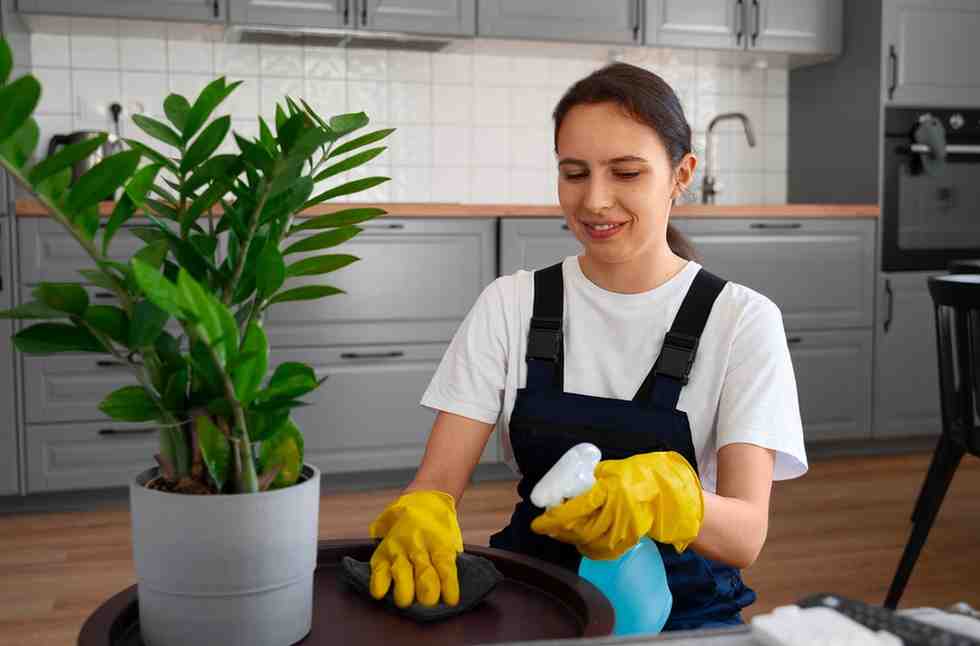
Mountain vacation rentals attract guests who expect fresh air, scenic views, and spotless interiors that match the natural beauty outside. A clean cabin shapes the entire guest experience. Dust on window sills, debris near entryways, or unclean bathrooms quickly reduce guest satisfaction and lead to negative reviews. Property managers and hosts must keep every corner of a cabin spotless despite the challenges that mountain environments create. Professional cleaning routines play a critical role in maintaining guest-ready spaces. Many property managers who also operate rental homes across regions, including those that use a vacation rental cleaning service in Texas, understand that specialized cleaning strategies become even more important in mountain locations where weather, wildlife, and outdoor activity constantly bring dirt indoors. Cabin cleaning services designed specifically for mountain vacation rentals focus on durability, hygiene, and efficiency. These properties experience heavy guest turnover, exposure to natural elements, and seasonal fluctuations that demand a structured cleaning system. Unique Cleaning Challenges in Mountain Cabins Cabins sit in environments filled with pine trees, wildlife, gravel roads, and changing weather conditions. These natural surroundings create cleaning challenges that standard rental properties rarely face. Mountain cabins collect dust, pollen, mud, and pine needles far more frequently than urban rentals. Guests often enter after hiking, skiing, or exploring trails, which increases the amount of dirt inside the property. Several environmental factors affect cabin cleanliness: These conditions demand a cleaning approach that focuses on both interior sanitation and outdoor transition zones. Cabin cleaning services focus on removing environmental debris while preserving rustic interior materials such as wood floors, stone fireplaces, and log walls. Why Mountain Vacation Rentals Require Specialized Cleaning? Cabins use natural materials that require careful cleaning techniques. Wood, stone, leather furniture, and rustic décor can easily become damaged if cleaners use harsh chemicals or improper tools. Cleaning teams working in mountain rentals prioritize: Log walls and wood ceilings collect dust quickly due to textured surfaces. Standard dusting methods often fail to remove particles embedded within wood grain. Stone fireplaces and hearths also require regular maintenance because ash buildup spreads throughout the living space if left untreated. Professional cabin cleaning routines protect both aesthetics and property value. Turnover Cleaning Between Guest Stays Vacation rentals rely on quick turnaround times between guest departures and new arrivals. Efficient cleaning systems allow teams to prepare the property without compromising quality. A typical turnover cleaning schedule focuses on critical areas first: Essential Turnover Cleaning Tasks Cleaning crews also inspect cabins for damage, forgotten belongings, or maintenance issues. Speed matters, yet attention to detail remains essential. Guests expect spotless spaces immediately upon arrival. Deep Cleaning for Seasonal Maintenance Mountain cabins experience heavy seasonal use. Winter skiing months and summer hiking seasons often bring continuous guest bookings. Deep cleaning between busy periods preserves the property. Seasonal deep cleaning usually includes: Deep cleaning restores freshness and removes buildup that routine turnover cleaning cannot address. Cabins located near forests often accumulate fine dust layers that require periodic intensive removal. Entryways and Mudroom Cleaning Strategies Entryways function as the first barrier between outdoor environments and cabin interiors. Proper cleaning in these spaces prevents dirt from spreading throughout the property. Mudrooms and entry areas should remain spotless because guests frequently store hiking boots, jackets, and equipment there. Effective cleaning routines include: These practices reduce dirt transfer to living areas and bedrooms. Kitchen Cleaning in Vacation Cabins The kitchen often becomes the most frequently used area during guest stays. Families cook meals together, prepare snacks after outdoor activities, and gather around dining tables. Cabin kitchen cleaning focuses on hygiene and odor control. Key cleaning priorities include: Grease and food residue can attract insects or wildlife if not cleaned properly, especially in forested areas. A spotless kitchen improves both safety and guest comfort. Bathroom Sanitation Standards Bathrooms demand strict sanitation because guests evaluate cleanliness heavily in these spaces. Even minor issues can lead to poor ratings. Cabin bathroom cleaning routines emphasize: Common tasks include scrubbing shower tiles, disinfecting toilet surfaces, polishing mirrors, and replacing linens. Humidity levels in mountain environments sometimes encourage mildew growth. Proper ventilation and thorough drying help prevent long-term damage. Living Room and Fireplace Cleaning The living room often serves as the social hub of a mountain cabin. Guests gather around fireplaces after outdoor activities, making this space prone to soot, dust, and debris. Cleaning teams maintain these areas by: Regular fireplace cleaning ensures safety while preserving the cozy atmosphere guests expect. Bedroom Cleaning for Guest Comfort Guests judge cabin quality heavily based on bedroom cleanliness. Fresh linens, dust-free surfaces, and pleasant air quality improve sleep and relaxation. Bedroom cleaning routines include: Cabin bedrooms often contain wood furniture and decorative fabrics that require gentle cleaning methods. Maintaining freshness in these rooms supports positive guest feedback. Deck and Outdoor Space Cleaning Outdoor spaces represent a major attraction for mountain vacation rentals. Guests enjoy scenic views from decks, patios, and porches. These areas collect leaves, pine needles, and dirt quickly. Cleaning teams maintain outdoor spaces by: Clean outdoor spaces improve first impressions when guests arrive. Managing Dust and Pollen in Mountain Locations Mountain environments generate high levels of airborne particles. Pollen and dust enter cabins through windows, doors, and ventilation systems. Regular dust control strategies include: Consistent dust removal keeps indoor air comfortable and reduces allergy concerns. Odor Control in Cabin Interiors Cabins sometimes develop odors caused by moisture, fireplace smoke, or food preparation. Cleaning routines should focus on odor prevention through: Natural materials such as wood absorb odors over time. Periodic cleaning and airflow help maintain a pleasant indoor atmosphere. Guests expect a fresh-smelling environment when they enter the property. Safety and Hygiene Standards Cleaning services must follow strict hygiene standards to protect guests and maintain property quality. Important safety practices include: These measures ensure consistent results and reduce health risks. Reliable cleaning routines create trust among guests who expect spotless accommodations. Cleaning Supplies Suitable for Cabin Materials Cabins feature unique surfaces such as logs, natural stone, leather seating, and rustic furniture. Cleaning teams select supplies that
Fast Cleaning Techniques for Same-Day Guest Turnovers
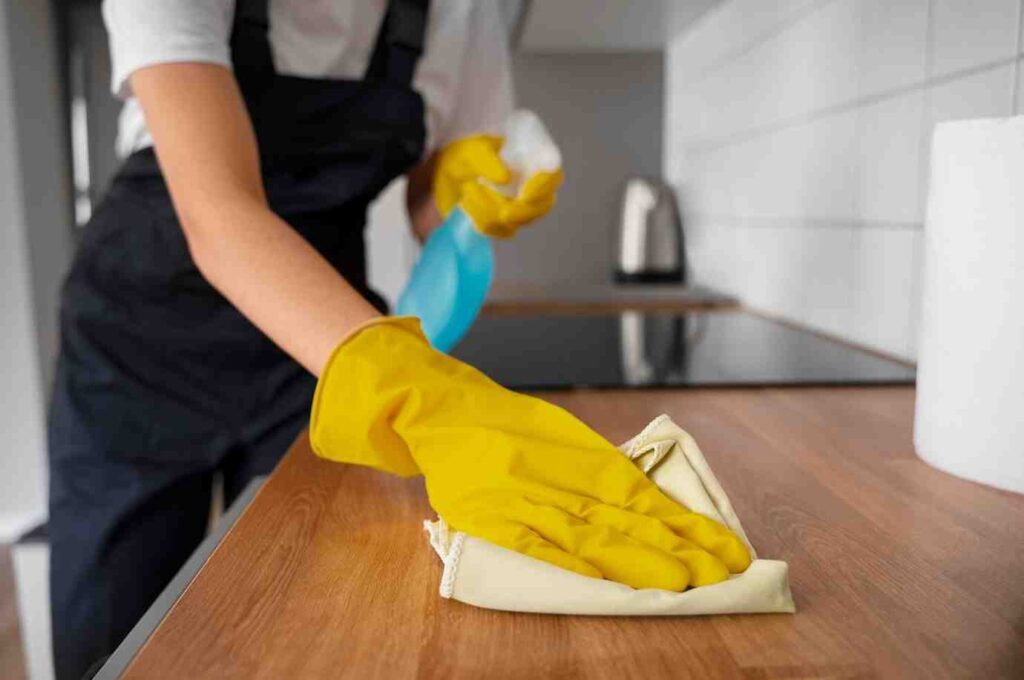
Vacation rentals often operate on tight schedules where one guest leaves in the morning, and another arrives later the same day. Property readiness depends on efficient cleaning routines that restore the space quickly without sacrificing quality. Many property managers follow structured systems similar to a vacation rental cleaning service in Texas to maintain consistent results even under strict time limits. Fast turnover cleaning requires organization, preparation, and precise execution. Every task must follow a clear order. Cleaners cannot waste time searching for supplies or repeating steps. When each stage flows smoothly, the property reaches guest-ready condition within a short window. Effective turnover techniques focus on efficiency, surface sanitation, and visual presentation. A well-organized cleaning plan allows teams to handle kitchens, bathrooms, bedrooms, and living areas without delays. Why Same-Day Turnovers Demand Specialized Cleaning? Short preparation windows place pressure on cleaning teams. Guests expect spotless spaces regardless of how little time exists between bookings. Cleaning under these conditions requires: Without structured systems, small delays accumulate quickly. Cleaners must move through rooms with a clear purpose. Fast turnovers combine speed with precision. Even minor cleaning mistakes can affect guest reviews. Preparation Before the Cleaning Begins Preparation determines how quickly the cleaning process moves. Teams should gather supplies and equipment before entering the property. Essential preparation tasks include: Cleaners should avoid leaving rooms repeatedly to collect tools or products. Organized preparation eliminates wasted minutes. Pre-planning also ensures that every surface receives proper sanitation during the limited cleaning window. The Importance of a Structured Cleaning Sequence A clear sequence allows cleaners to move through the property without backtracking. Many teams follow a top-to-bottom and room-to-room workflow. This structure prevents dirt from spreading into already cleaned areas. A typical cleaning order may follow this structure: This order keeps the process efficient and prevents unnecessary repetition. Laundry Management for Faster Turnovers Laundry often consumes the most time during same-day turnovers. Bedding, towels, and linens must be washed and replaced quickly. Efficient laundry strategies include: Cleaners should start laundry immediately upon arrival at the property. Prepared backup linen sets allow cleaners to remake beds while other items wash and dry. Rapid Bedroom Reset Techniques Bedrooms must appear fresh and inviting when guests arrive. Resetting these spaces quickly requires simple but precise steps. Bedroom cleaning tasks should follow a consistent order. Bedroom Reset Routine Cleaners should avoid unnecessary rearranging of furniture. Focused actions save time while maintaining visual appeal. Fresh bedding instantly improves the appearance of the room. Quick Bathroom Sanitizing Methods Bathrooms require strict sanitation, yet the process must remain efficient during same-day turnovers. Cleaners can speed up the process with structured methods. Fast Bathroom Cleaning Steps Allowing cleaning products time to break down residue reduces scrubbing effort. Shiny fixtures and spotless mirrors quickly signal cleanliness to arriving guests. Efficient Kitchen Cleaning Kitchens require attention because guests frequently inspect these areas closely. Even small crumbs or stains affect guest perception. Kitchen cleaning should focus on high-touch surfaces. Priority Kitchen Tasks A quick visual scan should follow to confirm that no food residue or grease remains. Clean kitchens create confidence for guests who plan to cook during their stay. Living Area Cleaning for Visual Impact Living areas create the central impression of the property. Guests often enter these rooms immediately after arrival. Cleaners should focus on visible surfaces and frequently touched items. Important living room tasks include: Straightening cushions and aligning furniture also improves presentation quickly. Visual order enhances the sense of cleanliness. Speed Cleaning Tools That Improve Efficiency Cleaning teams rely on effective tools to maintain speed without sacrificing quality. Useful tools include: High-quality tools reduce physical effort and shorten cleaning time. Reliable equipment also improves cleaning consistency across properties. Multi-Tasking Techniques for Faster Results Professional cleaners often handle multiple tasks simultaneously. For example: These overlapping tasks maximize productivity. Cleaners who manage time efficiently complete turnovers with fewer delays. The Role of Checklists in Turnover Cleaning Checklists prevent missed tasks during fast cleaning sessions. Even experienced cleaners rely on written task lists. A turnover checklist may include sections such as: Bedrooms Bathrooms Kitchen Living Areas Checklists ensure that every area receives attention. Spot Cleaning for Quick Problem Solving Unexpected messes sometimes appear after a guest’s departure. Spilled drinks, food stains, or muddy footprints may require fast correction. Spot cleaning techniques help resolve these issues quickly. Effective solutions include: Immediate action prevents stains from becoming permanent. Quick responses protect the appearance of the property. Inspection After Cleaning A short inspection should always follow the cleaning process. The inspection should focus on areas guests notice first. Inspection points may include: A final walkthrough ensures that the property meets guest expectations. Even small corrections improve overall presentation. Organizing Supplies for Faster Cleaning Well-organized supplies reduce wasted time during turnovers. Cleaning kits should contain frequently used items such as: Portable supply caddies allow cleaners to move easily between rooms. Quick access to tools keeps the workflow smooth. Managing High Guest Turnover Seasons Busy travel seasons increase the number of same-day turnovers. Cleaning teams must adjust routines to maintain quality. Strategies for busy periods include: These steps reduce pressure during peak booking periods. Efficient planning prevents rushed cleaning results. Maintaining Hygiene Standards During Fast Cleaning Speed should never compromise sanitation. Cleaners must maintain hygiene by: High-touch areas often include: These surfaces collect bacteria quickly and require proper sanitation. Time Management for Cleaning Teams Successful same-day turnovers depend heavily on time management. Cleaners should allocate time carefully across rooms. Example schedule structure: Structured timing keeps the process organized. Teams that follow schedules avoid rushing at the end of the cleaning session. Creating a Guest-Ready Atmosphere Clean spaces must also feel welcoming. After the main cleaning tasks, small finishing touches enhance presentation. These touches may include: These details create a polished environment that guests notice immediately. Presentation often matters as much as cleanliness. Long-Term Benefits of Efficient Turnover Cleaning Fast and effective cleaning systems help vacation rentals operate smoothly throughout the year. Reliable turnover routines offer several advantages: Efficient cleaning protects both the
Keeping Sinks and Faucets Spotless with Standard Cleaning
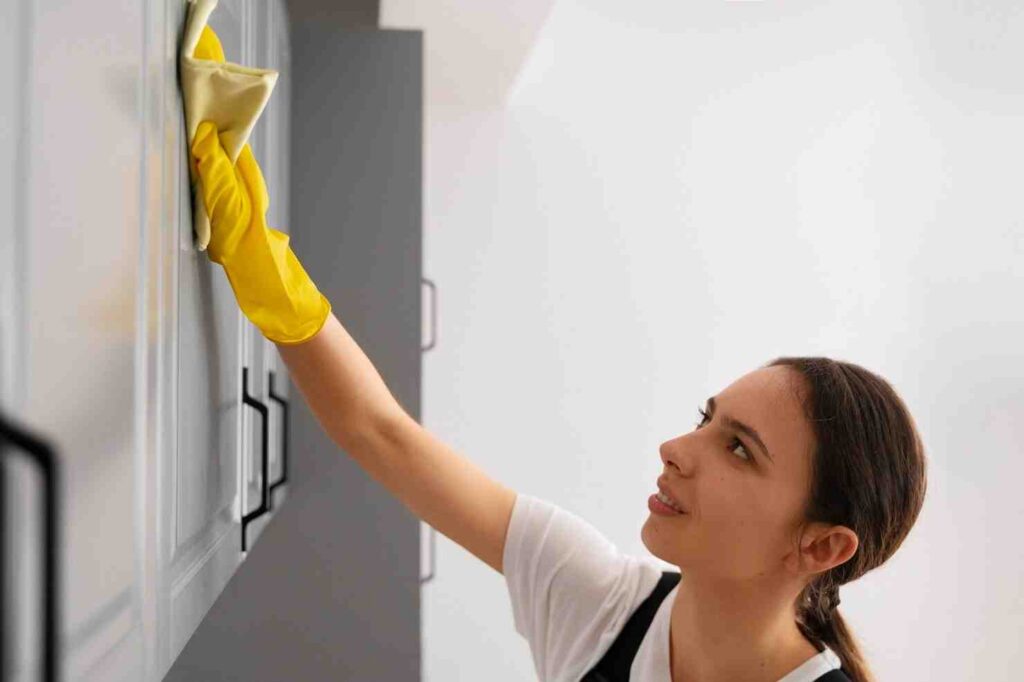
Sinks and faucets handle constant use throughout the day, making them some of the most visible and frequently touched fixtures in any property. Many property managers rely on a standard cleaning service in Texas to maintain these surfaces and keep kitchens and bathrooms looking hygienic and polished. Water splashes, soap residue, and mineral deposits quickly leave marks on stainless steel, porcelain, and chrome fixtures. Without consistent attention, these marks turn into stubborn buildup that dulls surfaces and affects hygiene. Regular cleaning routines keep sinks sanitary while maintaining the shine of faucets and surrounding areas. Clean sinks also contribute to a fresh environment. Kitchens and bathrooms appear more inviting when fixtures remain free of stains, streaks, and residue. Why is sink and Faucet Cleanliness Important? Sinks and faucets serve as daily workstations for handwashing, food preparation, dishwashing, and personal hygiene. This frequent contact exposes them to bacteria, soap scum, food particles, and hard water minerals. Regular cleaning prevents these substances from accumulating and damaging surfaces. Well-maintained fixtures offer several advantages: Keeping sinks and faucets spotless supports both cleanliness and functionality. Everyday Contaminants That Affect Sink Surfaces Daily activity introduces a range of substances that settle on sink surfaces and faucets. Common contaminants include: Each of these substances gradually creates a buildup that dulls surfaces and reduces the shine of metal fixtures. Regular cleaning prevents residue from turning into stubborn stains. Materials Used in Sinks and Faucets Different sink materials require slightly different cleaning approaches. Understanding these materials helps prevent damage while maintaining cleanliness. Common sink materials include: Stainless Steel Popular in kitchens due to durability and resistance to rust. Stainless steel requires gentle cleaning to prevent scratches. Porcelain Often found in bathroom sinks. Porcelain surfaces resist stains but show marks if residue accumulates. Composite Granite A durable material used in modern kitchens. It resists scratches but benefits from regular wiping to maintain its appearance. Ceramic Ceramic sinks provide smooth surfaces that clean easily when maintained regularly. Faucets typically use chrome, brushed nickel, brass, or stainless finishes, each requiring careful cleaning to maintain shine. The Role of Routine Cleaning Routine cleaning prevents buildup from becoming difficult to remove. When surfaces receive regular attention, stains rarely have time to form. Consistent cleaning routines involve: These simple habits maintain a polished look without requiring intensive scrubbing. Steps for Effective Sink Cleaning Cleaning sinks effectively requires a method that removes residue without damaging the material. A reliable cleaning sequence often includes the following steps: This process keeps sinks free of stains and preserves the original finish. Keeping Faucets Shiny and Spot-Free Faucets attract fingerprints, water spots, and mineral buildup due to frequent handling and constant exposure to moisture. Regular wiping keeps them bright and reflective. Effective faucet cleaning includes: These steps maintain shine while preventing dullness. Addressing Hard Water Stains Hard water often leaves chalky white deposits on faucets and sink surfaces. These mineral stains appear when water evaporates and leaves calcium or magnesium behind. Removing these deposits requires gentle cleaning solutions. Common approaches include: Drying faucets after use also helps prevent mineral buildup. Cleaning Sink Drains and Surrounding Areas Drains accumulate residue from food scraps, soap, and organic material. Without regular cleaning, this buildup creates odors and slows water flow. Proper drain maintenance involves: Keeping drains clean supports both hygiene and plumbing efficiency. Hygiene Benefits of Spotless Sinks Sinks play a major role in maintaining hygiene throughout homes and workplaces. People use them frequently for handwashing, food preparation, and cleaning tasks. Clean sink surfaces help prevent the spread of bacteria that transfer through contact. Hygiene benefits include: These advantages highlight the importance of consistent sink cleaning routines. Kitchen Sink Maintenance Kitchen sinks experience heavy use throughout the day. Food preparation, dishwashing, and cooking activities introduce grease, crumbs, and liquids that leave residue behind. Maintaining kitchen sinks requires attention to several areas: Regular cleaning prevents grease and food residue from accumulating. Bathroom Sink Maintenance Bathroom sinks encounter different types of residue compared to kitchen sinks. Toothpaste, soap, shaving products, and cosmetics often leave stains on surfaces. Routine cleaning helps prevent buildup around: Maintaining these surfaces ensures bathrooms remain hygienic and visually appealing. Tools That Help Maintain Spotless Fixtures Using proper tools improves cleaning results and protects sink surfaces from scratches. Common cleaning tools include: These tools allow cleaning teams to remove residue without damaging delicate finishes. Avoiding Common Sink Cleaning Mistakes Certain cleaning habits damage sink surfaces or reduce cleaning effectiveness. Mistakes to avoid include: Correcting these mistakes protects fixtures and maintains their appearance. The Impact of Water Quality Water quality influences how quickly stains form on sink surfaces. Hard water contains minerals that leave visible deposits after drying. Properties located in areas with mineral-rich water often experience faster buildup on faucets and sinks. Regular wiping and polishing prevent these deposits from becoming permanent stains. Water softening systems also help reduce mineral accumulation. Maintaining Sink Shine Through Daily Habits Simple daily habits keep sinks and faucets clean between deeper cleaning sessions. Effective habits include: These practices maintain shine with minimal effort. Professional Cleaning Standards for Fixtures Cleaning professionals often follow structured procedures to maintain consistent results when cleaning sinks and faucets. Standard procedures include: This systematic approach ensures that fixtures remain spotless and hygienic. Preventing Long-Term Surface Damage Ignoring sink maintenance leads to issues that affect both appearance and functionality. Common long-term problems include: Routine cleaning protects fixtures from these problems. Environmental Considerations in Sink Cleaning Environmentally responsible cleaning methods help maintain hygiene while minimizing chemical impact. Sustainable practices include: These practices support both cleanliness and environmental care. Creating a Consistent Sink Cleaning Routine Consistency remains the key to maintaining spotless sinks and faucets. Establishing a simple routine prevents stains and buildup from developing. A practical routine may include: Regular attention keeps fixtures looking new and functioning properly. Conclusion Sinks and faucets serve as central points of activity in kitchens and bathrooms, making their cleanliness essential for both hygiene and visual appeal. Constant exposure to water, soap, and daily use quickly creates residue that
Fast Same-Week Deep Cleaning Appointments in Dallas
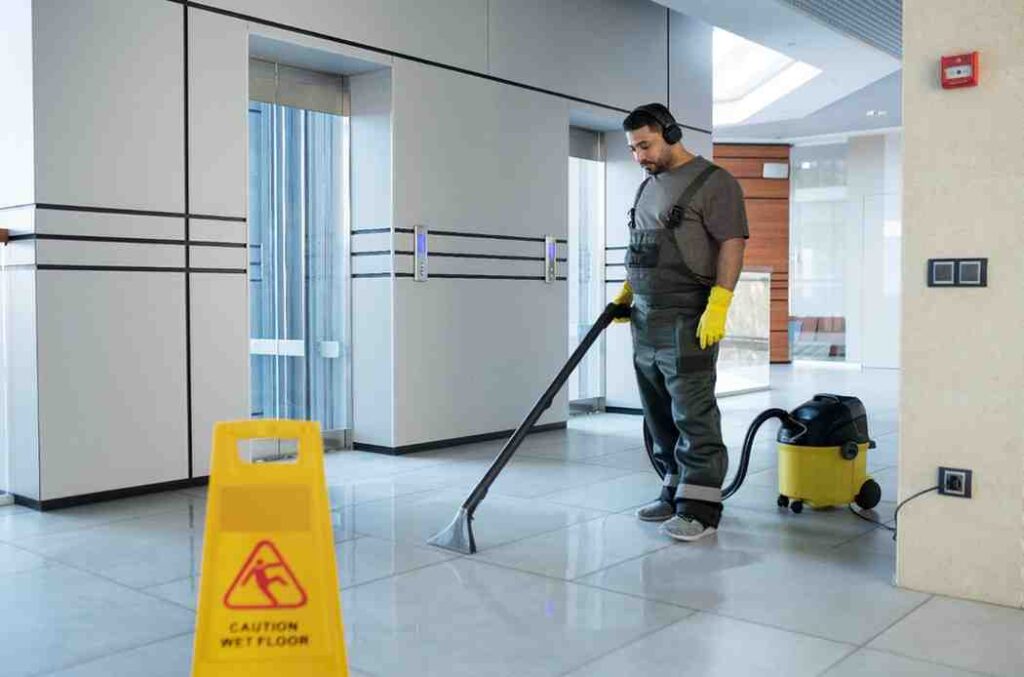
Life in Dallas moves quickly. Between demanding work schedules, family responsibilities, social gatherings, and unexpected events, homeowners often find themselves needing immediate help with their living spaces. Dust builds up quietly. Kitchens collect grease. Bathrooms develop stubborn grime. Then a moment arrives—a last-minute gathering, a home inspection, a move-out deadline—and the need for rapid, thorough cleaning becomes urgent. When time runs short, scheduling a deep cleaning service in Dallas within the same week can provide an effective solution. Unlike routine maintenance cleaning, deep cleaning targets hidden buildup, high-touch surfaces, neglected corners, and embedded dirt. Same-week appointments address urgent situations without sacrificing quality or attention to detail. Why is Same-Week Deep Cleaning Important? Unexpected situations create sudden pressure. Guests announce a visit. A property listing goes live earlier than expected. A landlord requires a spotless move-out condition. Construction work finishes ahead of schedule. These moments demand immediate action. Surface cleaning does not solve deep-rooted issues. Same-week deep cleaning focuses on areas standard cleaning often misses: By addressing these overlooked zones, professionals restore both cleanliness and confidence. Common Reasons Dallas Homeowners Request Fast Appointments Urgency often arises from life transitions. The Dallas housing market moves quickly, and homes frequently require rapid preparation. Homeowners typically request same-week deep cleaning for: Each situation requires a targeted approach. Time-sensitive cleaning does not mean rushed work; it means focused efficiency. The Dallas Climate Factor Dallas weather contributes significantly to indoor dirt accumulation. Spring pollen coats surfaces with fine yellow dust. Summer heat dries soil, allowing it to blow easily into homes. Storm seasons track mud and debris across entryways. When homeowners delay cleaning, these elements accumulate rapidly. Same-week appointments help reset indoor environments after seasonal shifts. Humidity also encourages mold growth in bathrooms and kitchens. Rapid response prevents small moisture issues from escalating into larger problems. What Sets Deep Cleaning Apart From Standard Cleaning? Routine cleaning maintains visible order. Deep cleaning restores a space to a healthier baseline. A deep cleaning appointment typically includes: These tasks demand time and specialized techniques. Same-week availability ensures homeowners receive thorough results without waiting weeks for scheduling openings. Preparing for a Same-Week Appointment Efficient preparation maximizes results. While professionals handle heavy-duty cleaning, homeowners can streamline the process by: Clear communication allows cleaning teams to prioritize effectively within the scheduled timeframe. Health Benefits of Immediate Deep Cleaning Dust and allergens affect respiratory comfort. Dallas residents often struggle with seasonal allergies. Accumulated dust, pet dander, and pollen intensify symptoms. Same-week deep cleaning reduces: Cleaner environments support improved breathing and overall comfort, particularly for households with children or elderly residents. High-Impact Areas During Urgent Cleanings When homeowners request rapid service, professionals often prioritize high-impact zones that transform the look and feel of a home quickly. These include: Visible improvements in these spaces create immediate freshness. However, thorough teams also address hidden buildup that affects hygiene even if it remains unseen. Move-Out and Move-In Scenarios Dallas rental properties operate on tight turnover schedules. Landlords expect spotless conditions between tenants. Same-week deep cleaning ensures compliance with lease agreements and increases the likelihood of full security deposit returns. Move-in deep cleaning provides new occupants with a hygienic starting point. Even properties that appear clean may contain hidden grime from previous residents. Immediate appointments prevent delays in occupancy and reduce stress during relocation. Pre-Event Cleaning Under Time Pressure Hosting an event adds urgency. Whether preparing for a family gathering, holiday celebration, or professional meeting, homeowners often want their space to reflect care and attention. Deep cleaning enhances: Rapid scheduling ensures readiness without overwhelming the homeowner. Post-Construction or Renovation Cleanups Renovation projects rarely conclude without dust lingering in corners and vents. Contractors focus on structural completion, leaving fine debris behind. Same-week deep cleaning removes: Prompt cleaning prevents particles from spreading further through HVAC systems. Professional Efficiency Without Compromise Speed should never equal carelessness. Professional teams coordinate staff, equipment, and workflow to maximize efficiency. They divide tasks strategically, allowing multiple areas to receive attention simultaneously. Experienced cleaners assess conditions quickly and adapt methods accordingly. This flexibility allows them to meet tight deadlines while maintaining high standards. Tools and Techniques That Make Fast Scheduling Possible Professional-grade equipment supports same-week availability. High-powered vacuums, steam cleaners, and specialized scrubbers reduce labor time without sacrificing effectiveness. Microfiber technology traps dust efficiently. Eco-conscious disinfectants break down grime safely. Organized systems allow teams to move seamlessly from room to room. Proper tools create consistency across appointments, even under time constraints. Communication: The Backbone of Successful Same-Week Service Clear communication ensures successful outcomes. Homeowners should outline priorities and deadlines clearly. Provide details such as: Accurate information allows cleaning teams to allocate adequate resources and avoid surprises. Cost Considerations for Urgent Appointments Same-week bookings may carry slight adjustments in pricing due to schedule flexibility and resource allocation. However, many homeowners find the investment worthwhile when facing tight timelines. Factors influencing cost include: Transparent pricing builds trust and prevents misunderstandings. Preventing Future Urgency While same-week appointments provide relief, consistent maintenance reduces last-minute stress. Establishing regular cleaning intervals keeps buildup manageable. Homeowners who combine periodic deep cleaning with routine upkeep maintain healthier living environments and minimize emergency scheduling needs. Commercial Properties and Fast Turnaround Needs Dallas businesses also rely on rapid deep cleaning. Office spaces, retail stores, and rental properties often require quick resets between clients or tenants. Clean environments reflect professionalism and promote customer confidence. Same-week availability supports operational continuity without extended downtime. Red Flags That Signal Immediate Need Watch for these signs indicating the need for urgent deep cleaning: Addressing these issues quickly prevents more extensive problems. Emotional Relief and Peace of Mind A deeply cleaned home creates emotional relief. Cluttered or dirty environments contribute to stress. Immediate action restores order and comfort. Walking into a spotless kitchen or sparkling bathroom shifts energy instantly. Clean surroundings improve focus, relaxation, and overall satisfaction. Choosing the Right Scheduling Window Mid-week appointments often offer greater availability. However, flexible providers accommodate weekend needs when possible. Booking early in the week increases the likelihood of securing a desired time slot. Prompt communication improves
Post-Renovation Kitchen Sanitizing in Dallas Homes
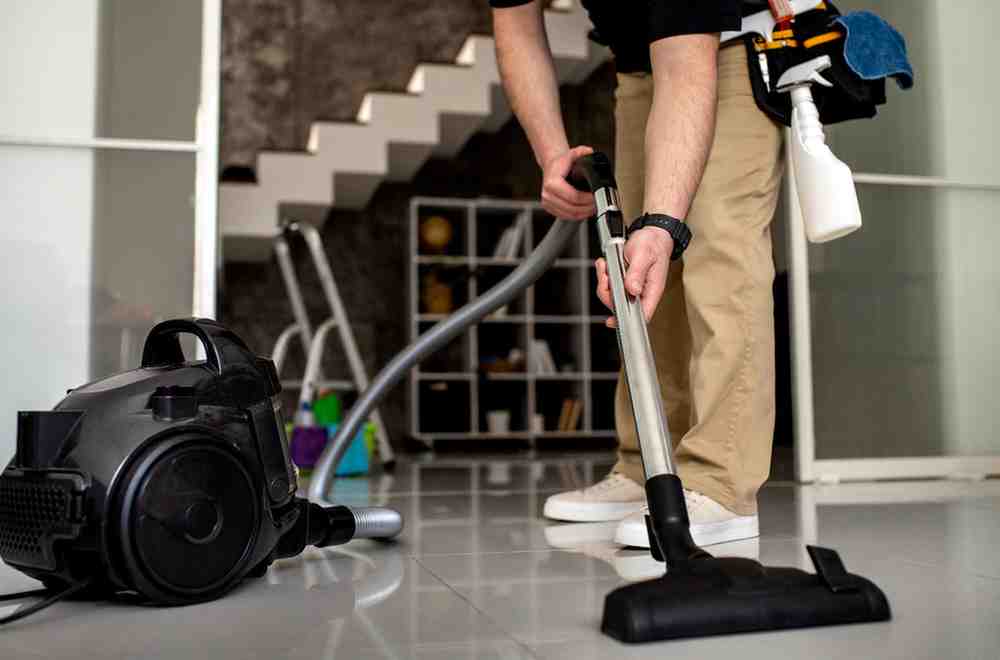
A kitchen renovation transforms a home. New cabinetry, polished countertops, upgraded lighting, and modern appliances bring fresh energy into the space. Yet beneath that polished finish, construction dust, microscopic debris, and chemical residues often linger long after contractors pack up their tools. Before families prepare their first meal in a remodeled kitchen, thorough sanitizing must take place. Many homeowners schedule a deep cleaning service in Dallas immediately after renovation work wraps up. Builders focus on installation and structural completion. Fine dust from drywall sanding, tile cutting, wood trimming, and grout work spreads far beyond visible surfaces. Without proper sanitizing, that residue settles into vents, cabinets, and food preparation zones. Why is Post-Renovation Kitchen Sanitizing Important? Construction dust does not behave like everyday household dust. It contains particles from drywall compounds, silica from tile cutting, wood fibers, insulation fragments, and chemical residues from adhesives or sealants. These particles spread invisibly through air circulation systems and settle on horizontal and vertical surfaces. Kitchens demand a higher standard of cleanliness than other rooms. Families prepare food, store ingredients, and wash dishes in this space. Any lingering dust or chemical film risks contaminating cooking areas. Post-renovation sanitizing accomplishes three primary goals: Skipping this process compromises indoor air quality and food safety. What is Construction Dust in Dallas Homes? Dallas properties often experience extended renovation timelines due to weather patterns and contractor scheduling. During these projects, open doors and windows invite additional outdoor dust. Combined with interior debris, the contamination multiplies. Drywall sanding produces extremely fine powder that travels through air vents and coats surfaces lightly but persistently. Tile and stone cutting introduce silica particles that require careful removal. Sawdust from cabinet installations settles into drawer tracks and shelf corners. These particles cling to surfaces electrostatically. Simple wiping spreads them rather than removing them entirely. Effective sanitizing requires methodical technique and appropriate equipment. Step One: Controlled Dust Removal Before applying any sanitizing solutions, remove loose debris systematically. Start with a high-efficiency vacuum equipped with a HEPA filter. This equipment captures microscopic particles rather than redistributing them. Work from top to bottom: Avoid dry sweeping, which stirs dust back into the air. Use microfiber cloths that trap particles effectively. Cleaning Air Vents and HVAC Registers Renovation dust frequently enters air return systems. Remove vent covers carefully and vacuum inside duct openings. Wipe vent grilles thoroughly before reinstalling them. Replace HVAC filters immediately after renovation. Clean filters prevent continued recirculation of fine debris. In larger projects involving significant demolition, professional duct inspection may provide added reassurance. Improved air quality enhances comfort and protects respiratory health, especially for families with allergies. Cabinet Interiors Require Detailed Attention New cabinets may appear spotless on the outside while hiding sawdust and installation debris inside. Open every drawer and shelf. Vacuum corners, wipe surfaces with damp microfiber cloths, and dry completely before storing kitchenware. Pay special attention to: Even small traces of dust can transfer to dishes and food containers. Countertops and Backsplashes: Removing Residue Safely Stone, quartz, laminate, and solid surface countertops require tailored cleaning approaches. Construction crews often apply sealants or adhesives that leave faint films behind. Use non-abrasive cleaners suitable for the material. Avoid harsh chemicals that could damage new finishes. After wiping down surfaces, sanitize food preparation zones with appropriate food-safe disinfectants. Grout lines along backsplashes collect fine dust easily. Gently scrub these lines to remove trapped particles without damaging the sealant. Appliance Sanitizing After Installation Appliances arrive wrapped in protective films that trap dust during installation. Remove packaging carefully and wipe all exterior and interior surfaces. Focus on: Wipe handles and control panels thoroughly. Installers frequently handle these areas without final sanitizing. Before placing food in the refrigerator, ensure all surfaces remain clean and odor-free. Sink and Plumbing Fixtures Plumbers often leave behind small metal shavings, sealant residue, or adhesive traces. Clean sinks, faucets, and surrounding countertops carefully. Flush the plumbing system briefly to clear any debris from new pipes. Wipe faucet aerators and check under the sink for dust accumulation. Polish stainless steel surfaces using appropriate products that restore shine without scratching. Flooring: The Final Barrier Against Dust Kitchen floors absorb heavy traffic during renovation. Workers carry materials in and out repeatedly, leaving fine debris embedded in grout lines or floor textures. For tile floors, vacuum thoroughly before mopping. Use clean water and replace it frequently to avoid spreading residue. Scrub grout lines gently if necessary. For hardwood or engineered flooring, use cleaning methods recommended by manufacturers. Excess water may damage wood surfaces. Allow floors to dry fully before replacing rugs or mats. Addressing Chemical Odors Renovation materials often release volatile organic compounds (VOCs). Adhesives, paints, and sealants may emit odors for several days. Reduce lingering smells by: Proper airflow accelerates off-gassing and improves indoor comfort. Food Safety Considerations Kitchens function as food preparation environments. Sanitizing must prioritize safety. After removing dust and debris, disinfect high-touch areas such as: Use disinfectants labeled safe for kitchen use. Rinse surfaces if necessary to remove chemical traces. Store dishes only after confirming complete cleanliness. Wash all plates, utensils, and cookware before returning them to the cabinets. Overlooked Areas After Renovation Even careful cleaning can miss subtle spaces. Inspect: Dust hides in crevices and resurfaces if left untouched. Inspect newly installed lighting fixtures for fine debris. Clean glass covers to enhance brightness and clarity. Managing Renovation Debris Outside the Kitchen Dust rarely remains confined to one room. Renovation activities often affect adjacent living spaces. Sanitize nearby hallways, dining rooms, and entry points to prevent cross-contamination. Shoes worn during construction track debris into other areas. Clean these zones thoroughly before declaring the project complete. Professional Sanitizing vs. Builder Clean-Up Contractors typically perform basic sweeping and debris removal. However, builder clean-up focuses on visible presentation rather than deep sanitizing. Professional sanitizing includes: Homeowners benefit from a higher level of attention that targets microscopic contaminants. Timing the Sanitizing Process Schedule sanitizing after all construction activities conclude fully. Avoid cleaning while workers continue cutting, sanding, or installing fixtures. Allow sealants and adhesives to cure
Garage and Driveway Pressure Cleaning for Dallas Homes
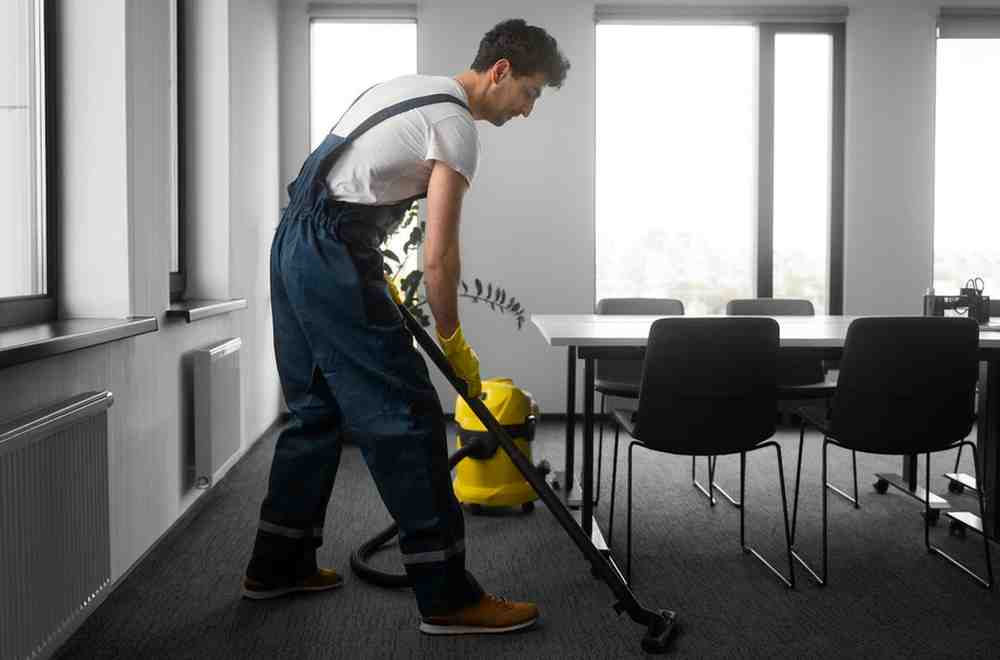
Concrete surfaces shape first impressions. In Dallas neighborhoods where driveways stretch wide and garages double as workshops, gyms, or storage zones, these spaces endure constant wear. Oil drips, tire marks, red clay stains, algae growth, and wind-blown debris accumulate steadily. Without proper maintenance, concrete loses its clean finish and becomes a breeding ground for grime and slippery buildup. Many property owners who already invest in a deep cleaning service in Dallas for interior spaces often overlook the exterior concrete that frames their homes. Yet garage floors and driveways absorb more abuse than most indoor surfaces. Pressure cleaning restores not only appearance but also safety, durability, and long-term structural integrity. Why Dallas Properties Need Regular Pressure Cleaning? Dallas weather plays a direct role in surface deterioration. Long summers bring intense heat that bakes oil into porous concrete. Spring storms scatter dirt, pollen, and organic debris. Humid conditions encourage algae growth in shaded driveways. During dry spells, dust layers settle quickly and embed into textured surfaces. Concrete contains microscopic pores that trap contaminants. When oil seeps into those pores, it darkens permanently unless treated promptly. Mold and algae create slick patches that increase slip hazards, especially on sloped driveways. Pressure cleaning removes: Consistent maintenance prevents these contaminants from bonding permanently with the surface. The Science Behind Pressure Cleaning Pressure cleaning relies on a controlled stream of water delivered at high pressure. Professionals adjust pressure levels based on surface type and contamination severity. Concrete tolerates higher pressure than softer materials, but improper technique can still cause etching or surface damage. Effective pressure cleaning combines: Oil stains often require degreasers before pressure washing. Mold and algae respond to specialized cleaning agents that break down organic matter without harming surrounding landscaping. Garage Floors: More Than Just Storage Space Garages in Dallas serve multiple purposes. Homeowners convert them into hobby areas, home gyms, and extended storage. With increased use comes increased exposure to spills, dirt, and vehicle fluids. Common garage contaminants include: Pressure cleaning clears residue that ordinary mopping cannot remove. It also prepares the surface for sealing or epoxy coating if homeowners choose to upgrade. Uncleaned garage floors can emit odors as oil and organic matter break down. Removing these contaminants improves air quality within attached garages, which often share ventilation pathways with interior spaces. Driveways: Protecting Curb Appeal Driveways frame the entrance to any property. Stained or darkened concrete diminishes the overall appearance of even well-maintained homes. Pressure cleaning brightens the surface by lifting deep-set grime. This improvement enhances curb appeal significantly, especially before home listings, gatherings, or seasonal landscaping upgrades. Real estate professionals often recommend driveway cleaning before staging a property. Buyers notice details immediately. Clean concrete signals maintenance and care. Safety Benefits of Pressure Cleaning Safety extends beyond aesthetics. Slippery algae patches increase the risk of falls. Oil stains create slick zones, particularly when wet. Pressure cleaning removes these hazards effectively. In addition to slip prevention, clean surfaces improve traction for vehicles. Removing debris reduces tire slippage and enhances braking stability on inclined driveways. Families with children benefit from cleaner play areas. Many children ride bikes, scooters, or draw with chalk on driveways. A clean surface reduces exposure to harmful residues. When to Schedule Pressure Cleaning in Dallas Dallas properties benefit from seasonal maintenance. Climate patterns influence ideal timing. Consider this schedule: High-traffic properties may require more frequent service. Homes under construction nearby may also experience increased dust accumulation. DIY vs. Professional Pressure Cleaning Some homeowners rent pressure washers for weekend projects. While this approach offers convenience, improper technique can damage surfaces. Common DIY mistakes include: Professional technicians evaluate surface condition before beginning. They adjust equipment settings precisely and apply cleaning agents strategically. This method ensures consistent results and minimizes risk. Large driveways require time and stamina. Professional teams complete projects efficiently while maintaining even coverage. Environmental Considerations Responsible pressure cleaning involves careful water management. Runoff containing oil and cleaning agents should not enter storm drains untreated. Professionals often use biodegradable cleaning solutions and control wastewater flow. Homeowners should avoid harsh chemicals that harm surrounding lawns or landscaping. Water conservation also matters in the Texas climate. Efficient equipment reduces excess water usage while maintaining cleaning power. Removing Oil Stains: A Targeted Approach Oil stains remain one of the most stubborn driveway issues. Fresh stains respond well to absorbent materials and degreasers. Older stains penetrate deeply and require more intensive treatment. Effective removal includes: Repeated treatments may be necessary for severe cases. Sealing the driveway afterward helps prevent future penetration. Mold and Algae in Shaded Areas North-facing driveways or areas shaded by trees often develop green or black patches. These organisms thrive in damp environments. Pressure cleaning eliminates visible growth, but preventive measures reduce recurrence. Trim overhanging branches to increase sunlight exposure. Improve drainage to prevent standing water. Applying a surface sealant also discourages moisture absorption, limiting the conditions mold requires to grow. Preparing for Concrete Sealing Many Dallas homeowners seal their driveways after pressure cleaning. Sealing enhances durability and simplifies future maintenance. Before sealing, ensure the surface remains completely clean and dry. Pressure cleaning removes contaminants that would otherwise trap beneath the sealant. Sealing benefits include: Proper preparation determines the success of any sealing application. Commercial Properties and Pressure Cleaning Commercial garages, parking pads, and shared driveways require consistent upkeep. High traffic increases wear and stain accumulation. Businesses benefit from pressure cleaning through: Regular cleaning supports brand image and operational safety. Equipment Used in Professional Pressure Cleaning Professional-grade equipment differs significantly from consumer models. High-powered machines deliver consistent pressure and support surface cleaners for uniform coverage. Surface cleaners attach to pressure washers and spin rotating jets within a circular housing. This design prevents streaking and speeds up large-area cleaning. Hot water systems provide added power for grease and oil breakdown. Heat enhances cleaning efficiency, especially in garage settings with heavy automotive residue. Addressing Rust Stains Metal patio furniture, tools, and irrigation systems sometimes leave rust marks on driveways. Rust penetrates porous concrete quickly. Removing rust requires specialized treatments rather than pressure
Why Deep Cleaning Before Baby Arrives in Dallas Important?

Bringing a newborn home changes how families see their living space. Rooms that once felt clean enough suddenly reveal overlooked corners, hidden dust, and surfaces touched countless times each day. Preparing for a baby demands more than surface tidying. It calls for a deliberate, room-by-room reset that reduces allergens, bacteria, and chemical residues throughout the home. Many Dallas families consider hiring a deep cleaning service in Dallas as part of their nesting preparations. While regular housekeeping keeps clutter under control, deep cleaning reaches beneath appliances, inside vents, under baseboards, and across high-touch surfaces where microbes linger. For expectant parents, that extra layer of care offers peace of mind during a life-changing transition. Dallas presents unique environmental challenges. Pollen counts rise sharply in spring. Dust travels easily during dry spells. Construction in expanding neighborhoods stirs airborne particles. Heat and humidity create conditions where mold can thrive if moisture hides behind walls or under sinks. All of these factors increase the importance of a thorough home reset before a newborn enters the space. Why Pre-Baby Deep Cleaning Is Different? Deep cleaning before a baby arrives differs from seasonal or post-renovation cleaning. The goal shifts from appearance to health protection. Newborns breathe faster than adults and spend much of their time close to floors, fabrics, and caregivers’ clothing. Their immune systems remain immature, making them more vulnerable to irritants and pathogens. A speck of dust may seem harmless, but for a newborn, airborne allergens can trigger discomfort, congestion, or rashes. Parents also spend extended time indoors during the early weeks. A cleaner environment reduces stress and supports postpartum recovery. Clean surfaces, fresh air, and organized rooms make late-night feedings and diaper changes more manageable. Focus on Indoor Air Quality Air quality stands at the center of newborn safety. Dallas homes often rely heavily on air conditioning systems due to high summer temperatures. HVAC systems circulate air continuously, which means they also distribute dust, dander, and microscopic debris. Before the baby arrives, families should: Ceiling fans also collect dust on blade surfaces. When switched on, they disperse particles into the air. Wiping blades carefully prevents dust showers over cribs and changing tables. Carpeted rooms deserve particular attention. Carpets trap allergens, pet dander, and pollen tracked in from outside. Deep extraction cleaning removes embedded debris that standard vacuuming leaves behind. Nursery Preparation Beyond the Obvious Many parents focus heavily on decorating the nursery while overlooking the less visible aspects of cleanliness. Start with walls and ceilings. Even freshly painted surfaces can accumulate construction dust or fine debris. Wipe walls with a mild, baby-safe solution to remove residue. Clean baseboards, door frames, and window sills thoroughly. Inside closets, vacuum shelves, and corners. Wash or wipe down storage bins before placing baby clothes inside. Launder new baby clothing, bedding, and fabric organizers to remove manufacturing residues. Cribs and bassinets require careful attention. Even if newly purchased, wipe all surfaces and ensure hardware remains secure. Avoid harsh chemical cleaners. Instead, use mild solutions and allow surfaces to dry completely before adding mattresses or sheets. Window treatments often collect dust and pollen. Wash curtains or wipe blinds to prevent particles from circulating in the nursery air. Kitchens: Sanitization Without Harsh Chemicals Kitchens play a significant role in newborn safety. Parents prepare bottles, sanitize pacifiers, and wash pump parts in this space. Clean countertops, cabinet handles, refrigerator handles, and light switches meticulously. Deep cleaning should include: Focus on high-touch surfaces where bacteria commonly gather. Replace worn sponges and sanitize dish racks. Consider designating a specific drying area for baby feeding supplies to prevent cross-contamination. Avoid overpowering chemical scents. Babies remain sensitive to strong fragrances, and lingering residues can irritate their developing systems. Bathrooms: Eliminating Moisture Risks Bathrooms require extra vigilance due to humidity and frequent use. Mold spores thrive in damp environments, and Dallas humidity can intensify the risk. Scrub grout lines, clean exhaust fans, and inspect caulking around tubs and sinks. Replace cracked or deteriorating caulk to prevent water intrusion. Clean behind toilets and under vanities where dust and moisture combine. Pay close attention to ventilation. Run exhaust fans regularly and ensure they function properly. Adequate airflow prevents mold growth and keeps surfaces dry. Store cleaning chemicals securely and out of reach. Once the baby begins crawling, accessible cabinets become hazards. Flooring and Soft Surfaces Flooring demands a detailed approach. Babies eventually roll, crawl, and explore every inch of the floor. For hardwood or tile floors: For rugs and upholstered furniture: Upholstered chairs and sofas often host feeding sessions. Cleaning these surfaces removes crumbs, pet hair, and dust mites that accumulate over time. Hidden Zones Most Families Miss Even diligent homeowners overlook certain areas. Deep cleaning before a baby arrives requires attention to hidden zones: These areas gather dust that circulates when disturbed. Cleaning them reduces the overall particle load in the home. Dallas Climate Considerations Dallas weather shifts between humid summers and dry, windy stretches. These fluctuations influence indoor cleanliness. During dry periods, dust enters homes easily. Regular vacuuming and sealing window gaps reduce infiltration. During humid months, moisture control becomes critical. Use dehumidifiers in damp areas and monitor bathrooms and laundry rooms closely. Storm season also tracks mud and debris indoors. Entryways require deep cleaning to prevent dirt from spreading throughout living areas. Wash entry mats and clean shoe storage spaces before the baby’s arrival. Pet Owners: Extra Steps for a Safer Environment Pets remain cherished family members, but they introduce additional allergens and bacteria. Before the baby arrives: Consider limiting pet access to the nursery. Consistent grooming and cleaning reduce dander buildup and protect sensitive newborn airways. Reducing Chemical Exposure While sanitization matters, overusing harsh disinfectants can create unnecessary chemical exposure. Strike a balance by choosing products labeled safe for children and using proper ventilation. Rinse surfaces thoroughly after cleaning. Allow adequate drying time before placing baby items on counters or floors. Avoid aerosol sprays that linger in the air. Store cleaning products in locked cabinets. As babies grow, mobility increases rapidly, and accessible products
Why Construction Dust Is Tougher to Remove Than Everyday Dirt?
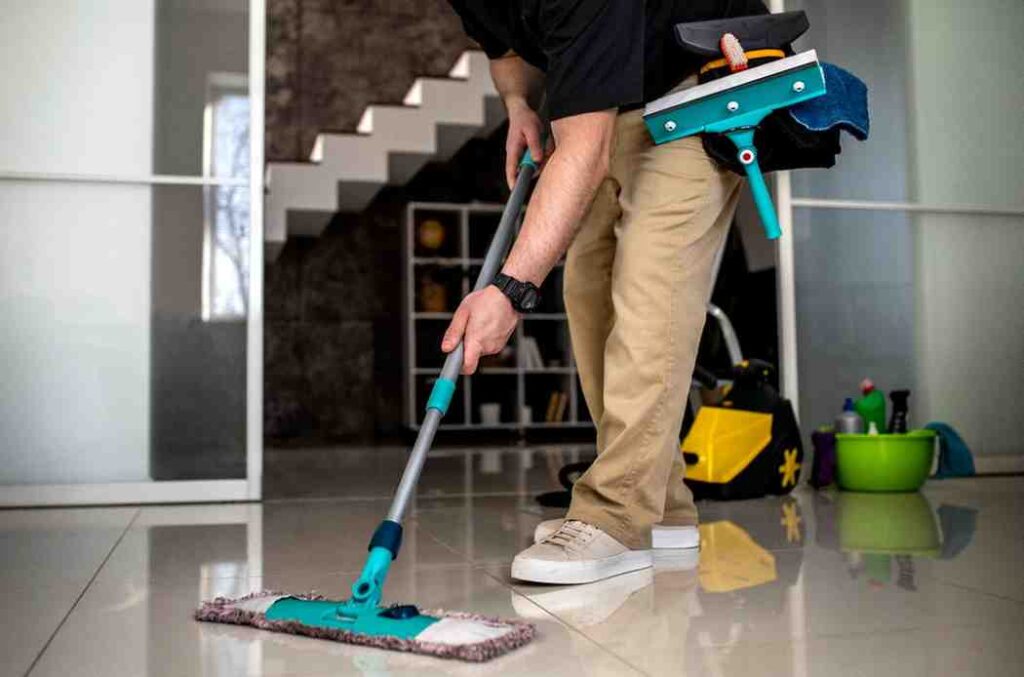
Construction projects reshape spaces, but they also leave behind layers of stubborn dust that behave very differently from everyday household dirt. Many property owners turn to a post-construction cleaning service in Texas once builders finish their work because ordinary cleaning methods rarely remove construction dust completely. Regular dirt usually comes from outside sources such as soil, footprints, or airborne debris entering through doors and windows. Construction dust forms through mechanical activities like cutting, drilling, sanding, and grinding building materials. These activities produce extremely fine particles that travel through the air and settle across nearly every surface in the building. The challenge lies not only in the amount of dust but also in the materials that create it. Drywall powder, silica particles, cement fragments, insulation fibers, and wood dust behave in ways that standard cleaning techniques cannot easily manage. The Microscopic Size of Construction Dust Particle size plays a major role in the difficulty of removing construction dust. Ordinary dirt particles often measure between 10 and 100 microns, which allows basic cleaning tools to capture them easily. Construction dust frequently falls below 10 microns, making it far smaller and lighter. Some particles measure close to 0.3 microns, which means they float easily in the air and settle slowly. Because of their small size, these particles slip into spaces that larger dirt cannot reach. Examples include: Once dust reaches these areas, simple sweeping or wiping rarely removes it fully. How Construction Activities Create Persistent Dust? Construction sites generate dust through multiple processes. Each step of the building process contributes new types of particles that accumulate over time. The most common dust-generating activities include: Each activity releases thousands of microscopic fragments into the air. These fragments travel through the building, often moving far from the original work area. Unlike everyday dirt, construction dust spreads throughout the entire property rather than remaining near entrances or floors. Why Construction Dust Stays Airborne Longer? Normal dirt settles quickly because the particles are relatively heavy. Construction dust behaves differently due to its extremely small size and low weight. Air movement from fans, ventilation systems, or even walking across the floor can lift these particles back into circulation. Once airborne, construction dust may remain suspended for hours. During this time, it moves through ventilation systems and drifts into adjacent rooms. This continuous movement creates several cleaning challenges: Without specialized equipment, cleaning teams may remove dust from one area only to see it settle somewhere else. Chemical Composition of Construction Dust Construction dust contains a mixture of materials that differ greatly from common household dirt. These materials often include minerals and compounds produced during building work. Common components include: These substances behave differently when exposed to moisture, airflow, or friction. For instance, drywall dust becomes sticky when wet, forming a paste that spreads across surfaces rather than lifting away easily. Concrete dust may contain crystalline silica, a mineral that forms extremely fine particles capable of penetrating deep into small surface gaps. This chemical complexity contributes to the stubborn nature of construction dust. Why Construction Dust Clings to Surfaces? Electrostatic charge plays an important role in how dust behaves indoors. Construction dust often carries static electricity generated by cutting tools and friction during sanding. Static charge causes dust particles to cling tightly to surfaces such as: Even after wiping these surfaces, some particles remain attached because static forces hold them in place. This effect explains why newly constructed buildings sometimes appear dusty again shortly after cleaning. The Impact of Construction Dust on Indoor Air Systems Ventilation systems play a major role in spreading construction dust throughout a building. Air ducts pull particles from one area and distribute them into multiple rooms. Once dust enters the HVAC system, it settles inside ductwork and filters. When the system operates again, airflow pushes these particles back into living spaces. Several problems occur when dust accumulates inside ventilation systems: Cleaning crews often inspect vents and duct openings during post-construction cleanup to prevent continued contamination. Why Regular Cleaning Tools Fail Against Construction Dust? Many cleaning tools work well for ordinary dirt but struggle when faced with construction residue. Standard brooms, mops, and household vacuums often spread dust instead of capturing it. Common problems include: When ordinary equipment handles microscopic particles, it frequently redistributes the dust rather than removing it from the environment. This cycle forces cleaning teams to repeat the same tasks multiple times. Surfaces Most Affected by Construction Dust Some building surfaces trap construction dust more easily than others. Textured or porous materials often hold particles in tiny grooves. Areas that typically accumulate heavy dust include: Each of these surfaces requires careful attention during cleaning to ensure complete dust removal. Why Moisture Complicates Dust Removal? Many cleaning processes involve water or liquid cleaning solutions. While moisture helps remove ordinary dirt, construction dust sometimes reacts differently. Drywall dust, for example, contains gypsum powder. When exposed to water, it forms a paste-like substance that spreads across surfaces. Concrete dust may create a gritty slurry when wet, making it harder to wipe away cleanly. These reactions force cleaning crews to choose their cleaning methods carefully. Dry removal methods, such as vacuuming, often come before any wet cleaning procedures. The Hidden Layers of Construction Dust One reason construction dust persists lies in how it settles in layers. During active building work, new dust particles land on top of older ones repeatedly. Even after the first cleaning pass, deeper layers may remain in hidden spaces. These layers often appear in areas such as: Without systematic cleaning, these particles may continue appearing long after the project ends. Why Multiple Cleaning Stages Become Necessary? Because of its unique behavior, construction dust rarely disappears after a single cleaning session. Cleaning crews often follow a structured process that removes debris gradually. A typical cleaning sequence includes: Each stage removes additional layers of dust and improves indoor cleanliness. Skipping any step often allows particles to remain hidden within the building. Health and Comfort Concerns Related to Construction Dust Construction dust affects more than
Sanitizing Bathrooms for Healthier Living in Dallas Homes
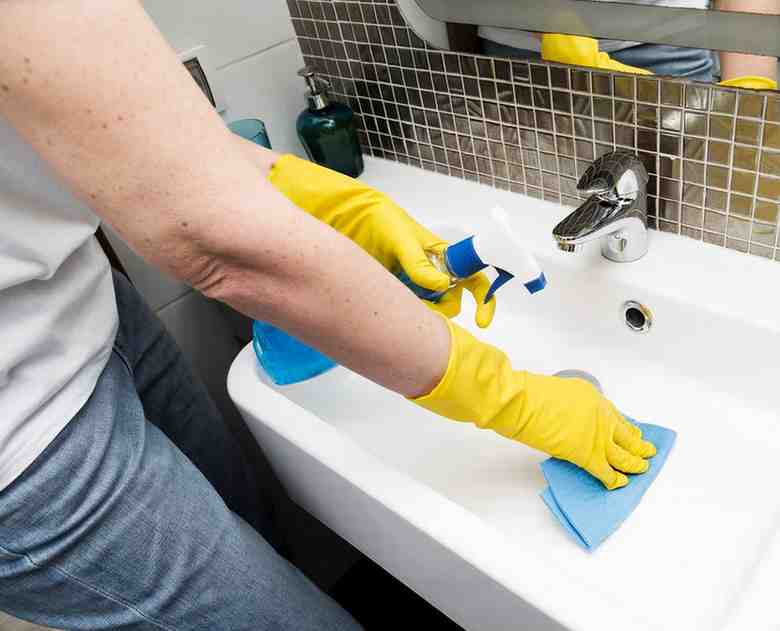
Bathrooms carry the highest concentration of moisture, bacteria, and contact points in any home. In Dallas, shifting humidity levels and heavy household use make proper sanitation even more critical. A clean-looking bathroom does not always mean a hygienic one. True sanitation requires structured processes, correct products, and consistent attention to hidden surfaces. Many homeowners rely on a periodic deep cleaning service in Tx to reset their bathrooms and eliminate built-up bacteria, mold spores, and mineral deposits. Professional-level sanitation removes contaminants that routine wiping leaves behind. It also protects surfaces from premature damage and preserves indoor air quality. Dallas homes face environmental conditions that influence bathroom hygiene. Hot summers create humidity pockets in poorly ventilated spaces. Sudden rainstorms raise moisture levels. Hard water contributes to mineral scaling on fixtures and tiles. Without deliberate sanitizing habits, these factors create ideal conditions for microbial growth. Why Bathroom Sanitation Directly Affects Health? Bathrooms host a mix of organic matter, moisture, and warmth. These elements create an environment where germs multiply quickly. Every flush releases microscopic droplets into the air. Every shower introduces steam that clings to grout and ceilings. Every hand that touches a faucet leaves bacteria behind. Sanitizing reduces exposure to: When homeowners sanitize effectively, they reduce illness risks and create a safer space for families and guests. Dallas Climate and Its Impact on Bathroom Hygiene Dallas experiences extended periods of heat. Warm air holds more moisture, especially when showers generate steam. Bathrooms without adequate ventilation trap humidity against walls and ceilings. Mold thrives in these conditions. Hard water also plays a role. Mineral-rich water leaves deposits on faucets, showerheads, and tiles. These deposits trap bacteria and create rough surfaces where grime adheres easily. Regular sanitizing prevents buildup and protects fixture performance. Homes in older Dallas neighborhoods may also have aging plumbing systems. Small leaks often go unnoticed behind vanities or beneath sinks. These leaks increase moisture levels and accelerate microbial growth. High-Touch Areas Demand Extra Attention Sanitizing focuses on contact points more than appearance. People touch certain surfaces repeatedly throughout the day. Those surfaces accumulate germs rapidly. Key high-touch areas include: Wiping these areas with disinfectant reduces cross-contamination significantly. Routine attention keeps bacterial counts low. Deep Sanitation vs. Routine Cleaning Routine cleaning removes visible dirt. Sanitizing eliminates harmful microorganisms. Deep sanitation combines both processes. A standard cleaning session may include: Deep sanitation adds: This layered approach ensures both cleanliness and hygiene. The Role of Ventilation in Bathroom Health Proper airflow plays a central role in maintaining sanitary conditions. Bathrooms without ventilation retain moisture long after showers end. This moisture creates damp surfaces where mold forms quickly. Homeowners should: Consistent ventilation limits mold risk and supports fresher air. Grout and Tile: Hidden Germ Reservoirs Tile surfaces appear smooth, but grout lines contain microscopic pores. Dirt, soap residue, and moisture penetrate these pores and trap bacteria. Over time, grout darkens and harbors mold. Effective grout sanitation requires: Regular grout maintenance protects both hygiene and aesthetics. Toilet Sanitation Protocol Toilets require systematic cleaning beyond the bowl interior. Germs spread through splashback and aerosolization. A structured approach includes: This process reduces bacteria in the surrounding environment. Sink and Countertop Hygiene Sinks collect toothpaste residue, soap film, and water droplets. Counters hold cosmetics, grooming tools, and personal items. These surfaces easily accumulate bacteria. To maintain sanitation: Maintaining dry surfaces reduces bacterial survival. Mold Prevention Strategies Mold affects respiratory health and damages surfaces. Dallas humidity intensifies mold risk in bathrooms without consistent sanitation. Preventive actions include: Proactive measures prevent costly remediation. Chemical vs. Eco-Friendly Sanitizers Homeowners often debate between traditional disinfectants and eco-friendly options. Both have benefits. Chemical disinfectants: Eco-friendly sanitizers: Selecting the right solution depends on household needs and sensitivity concerns. Protecting Bathroom Fixtures and Finishes Aggressive scrubbing or improper products can damage surfaces. Sanitizing must preserve materials. For example: Protecting finishes maintains long-term value. Managing Odor at the Source Odor signals bacterial presence. Masking smells with air fresheners does not resolve underlying contamination. Effective odor control includes: Eliminating bacteria eliminates odor naturally. Sanitizing Shared Bathrooms Homes with multiple occupants require stricter hygiene routines. Shared bathrooms experience increased traffic and contamination. Households should: Clear expectations reduce hygiene lapses. Professional-Level Equipment Makes a Difference Professional sanitation often relies on tools that exceed household capability. Steam cleaners, HEPA-filter vacuums, and high-pressure extraction systems remove embedded contaminants efficiently. Steam sanitization penetrates porous surfaces without excessive chemicals. HEPA filtration captures airborne particles during cleaning. Advanced equipment supports deeper hygiene outcomes. Addressing Bathroom Floors Bathroom floors collect water droplets, hair, and bacteria from toilet use. These surfaces demand consistent sanitation. Effective floor care includes: Neglected floors often become hidden contamination zones. Safe Storage of Cleaning Products Improper chemical storage introduces risk. Bathrooms frequently store cleaning supplies beneath sinks. Leaks or spills may occur. Best practices include: Safe storage protects both household members and plumbing systems. Sanitizing During Illness Outbreaks When household members experience illness, bathroom sanitation frequency should increase. Germs linger on surfaces for extended periods. During illness: These actions reduce reinfection risk. Air Quality and Respiratory Health Bathroom hygiene affects indoor air quality across the entire home. Mold spores and bacteria travel through airflow systems. Poorly sanitized bathrooms compromise respiratory health. Consistent sanitation reduces: Healthy bathrooms contribute to healthier living environments. Building a Sustainable Sanitizing Routine Consistency drives results. Sporadic deep cleaning fails to maintain sanitary conditions. A balanced schedule may include: Structured routines prevent accumulation and maintain hygiene standards. The Psychological Impact of Clean Bathrooms Clean bathrooms influence comfort and confidence. Guests form impressions quickly. Family members feel more relaxed in hygienic environments. Sanitized spaces communicate care, responsibility, and attention to detail. These perceptions strengthen overall home satisfaction. Preparing Bathrooms for Real Estate Showings Home sellers in Dallas often overlook bathroom sanitation before showings. Buyers pay close attention to cleanliness and odors. Pre-showing sanitation should include: Spotless bathrooms improve property appeal and perceived value. Long-Term Cost Benefits of Proper Sanitation Neglect leads to mold remediation, tile replacement, fixture corrosion, and plumbing repairs. Preventive sanitizing reduces these risks. Homeowners who
Deep Cleaning Services for Vacation Homes in Dallas
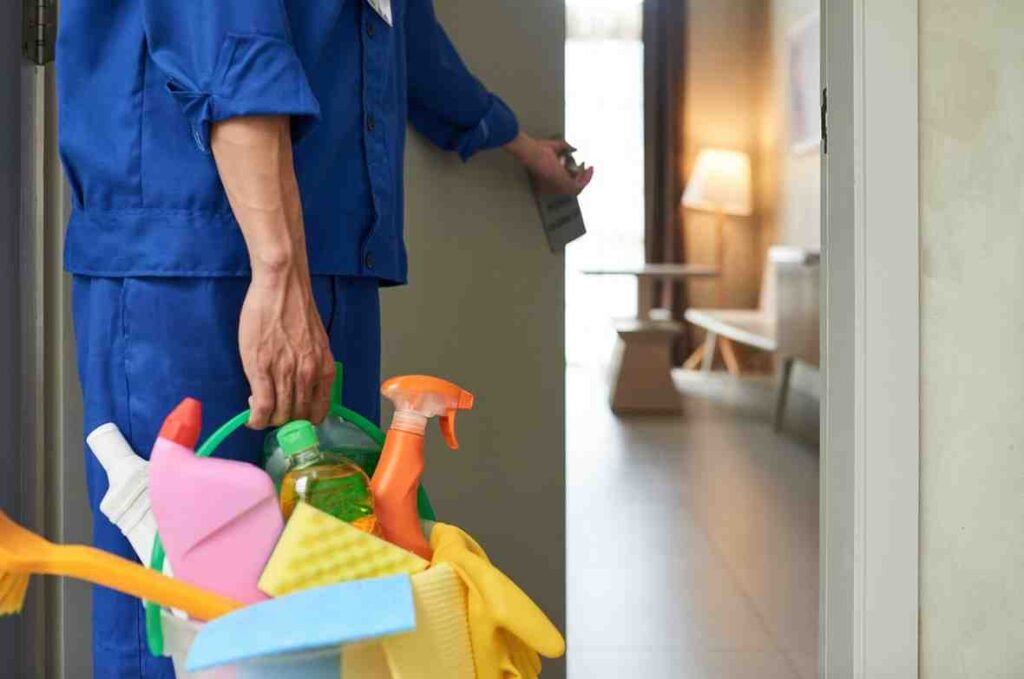
Vacation homes in Dallas operate in a fast-moving rental market. Guests arrive with high expectations, property owners manage tight turnover windows, and reviews shape occupancy rates. Surface-level cleaning never meets the demands of this environment. Deep cleaning plays a central role in protecting property value, maintaining hygiene, and delivering a five-star guest experience. Property owners who invest in a professional deep cleaning service in Tx strengthen their rental performance. Deep cleaning resets the property between high-traffic stays, seasonal shifts, and extended bookings. It eliminates hidden contaminants, removes buildup that standard cleaning misses, and restores every room to a truly refreshed state. Dallas attracts families, business travelers, sports fans, and event visitors year-round. From Uptown condos to suburban retreats near Plano and Frisco, vacation homes face constant use. High turnover increases wear on flooring, upholstery, kitchens, and bathrooms. Dust, allergens, grease, and bacteria accumulate quickly. Without scheduled deep cleaning, these hidden issues reduce indoor air quality, damage surfaces, and lead to guest complaints. Why Vacation Homes in Dallas Need Deep Cleaning? Vacation properties differ from primary residences. Multiple guests use the same kitchen tools, bathroom fixtures, linens, and furniture in short succession. Each stay leaves behind microscopic residue even when the space appears tidy. Deep cleaning addresses: Dallas’s climate conditions intensify these concerns. Dry winds carry dust into homes, especially during warmer months. Pollen levels spike in spring and fall. Sudden rainstorms create muddy entryways and increase humidity indoors. All these factors contribute to deeper contamination than routine cleaning removes. When owners schedule periodic deep cleaning, they prevent long-term deterioration and reduce maintenance costs. Clean properties last longer. Finishes retain their appearance. Guests leave stronger reviews. The Financial Impact of Cleanliness on Short-Term Rentals Guest satisfaction drives occupancy. Online platforms rank properties based on ratings, cleanliness feedback, and response time. One negative review mentioning stains, odors, or dust can influence booking decisions. Deep cleaning strengthens revenue performance in several ways: Vacation homeowners in Dallas compete in a saturated rental market. Deep cleaning sets properties apart and protects profitability. What Does Deep Cleaning Include in Vacation Homes? Deep cleaning extends far beyond vacuuming and wiping countertops. Professionals address hidden areas that collect grime over time. Every space receives targeted attention. Kitchen Deep Cleaning Kitchens experience the heaviest use in short-term rentals. Guests cook, reheat food, spill liquids, and store groceries. Deep cleaning teams: A spotless kitchen signals hygiene and professionalism. It reassures guests that the property receives proper care. Bathroom Restoration Cleaning Bathrooms demand strict sanitation standards. High humidity in Dallas increases mold risk, especially in poorly ventilated spaces. Deep cleaning covers: These measures prevent odor, discoloration, and bacterial spread. Living Areas and Bedrooms Soft furnishings trap allergens and odors. Guests often eat on sofas, track dirt onto carpets, and use decorative pillows. Deep cleaning includes: This process restores freshness and improves indoor air quality. Seasonal Deep Cleaning for Dallas Vacation Homes Dallas experiences extreme summer heat and mild winters. Seasonal transitions affect property conditions. Spring Reset Spring cleaning addresses pollen infiltration and prepares properties for peak travel months. Professionals focus on air vents, window screens, and patio furniture. Summer Maintenance Frequent turnover during summer demands intensified attention to kitchens and bathrooms. Deep cleaning prevents odor buildup in high temperatures. Fall Refresh Autumn storms introduce mud and debris. Deep cleaning preserves flooring and entry areas. Winter Preparation Even mild winters require preventive cleaning. Reduced ventilation increases dust accumulation indoors. Deep cleaning protects heating systems and interior surfaces. Seasonal planning keeps vacation homes consistently ready for incoming guests. Health and Safety Benefits Vacation rentals host individuals from different households. Each guest brings unique germs and allergens. Without proper sanitation, cross-contamination becomes a concern. Deep cleaning reduces: Clean indoor environments protect both guests and property managers. Health-conscious travelers prioritize visible cleanliness and fresh air. Protecting High-End Finishes and Furnishings Many Dallas vacation homes feature luxury finishes—granite countertops, hardwood floors, designer tiles, and upscale appliances. Improper cleaning methods can damage these materials. Professional deep cleaning teams use appropriate products and techniques for: This precision prevents scratches, etching, and premature wear. Turnover Efficiency and Operational Flow Fast turnovers create pressure. Standard cleaning may handle visible mess, but it rarely addresses deeper buildup. Property managers who schedule periodic deep cleaning reduce stress during high-volume booking seasons. Strategic scheduling helps: Deep cleaning works best when integrated into a structured maintenance calendar rather than handled reactively. Odor Elimination in Vacation Properties Lingering odors often originate from hidden sources. Trash bins, drains, carpets, and upholstery absorb smells over time. Deep cleaning targets odor at the source: A fresh-smelling home improves first impressions immediately upon guest arrival. The Role of Checklists and Quality Control Professional deep cleaning relies on systematic processes. Structured checklists ensure consistent performance across properties. A strong quality checklist includes: Property managers benefit from documented cleaning records. These records provide accountability and simplify performance tracking. Addressing Post-Event Cleaning Dallas hosts conventions, sporting events, weddings, and corporate gatherings. Vacation homes near event venues experience heavy usage during these times. After large groups depart, deep cleaning restores order. Teams remove stains, sanitize high-touch areas, and reset the space for the next booking cycle. This approach prevents long-term damage caused by intense short-term occupancy. Air Quality and Ventilation Maintenance Air quality influences guest comfort significantly. Dust buildup inside vents circulates allergens throughout the property. Deep cleaning often includes: Improved airflow enhances comfort and reduces respiratory irritation. Outdoor Spaces Matter Too Many Dallas vacation homes feature patios, balconies, or backyard seating areas. Guests frequently use these spaces. Deep cleaning extends outdoors by: Outdoor presentation influences guest perception before they even enter the property. Technology and Modern Cleaning Equipment Professional teams rely on advanced tools that produce deeper results than household equipment. High-powered vacuums, steam cleaners, and industrial-grade sanitation solutions remove stubborn buildup efficiently. Advanced equipment allows teams to: Vacation homeowners who prioritize professional tools gain measurable improvements in property condition. Preparing a Property for Long Vacancies Some vacation homes in Dallas sit vacant for weeks between bookings. Dust accumulates quickly in